Rescuers Watch As Wild Kittens Rise From The Ashes After Devastating Fire
They’re getting stronger every day.
After a fire tore through a sugarcane field in South Africa last fall, Dr. Peet Venter received an urgent phone call. Locals reported seeing small kittens struggling in the debris.
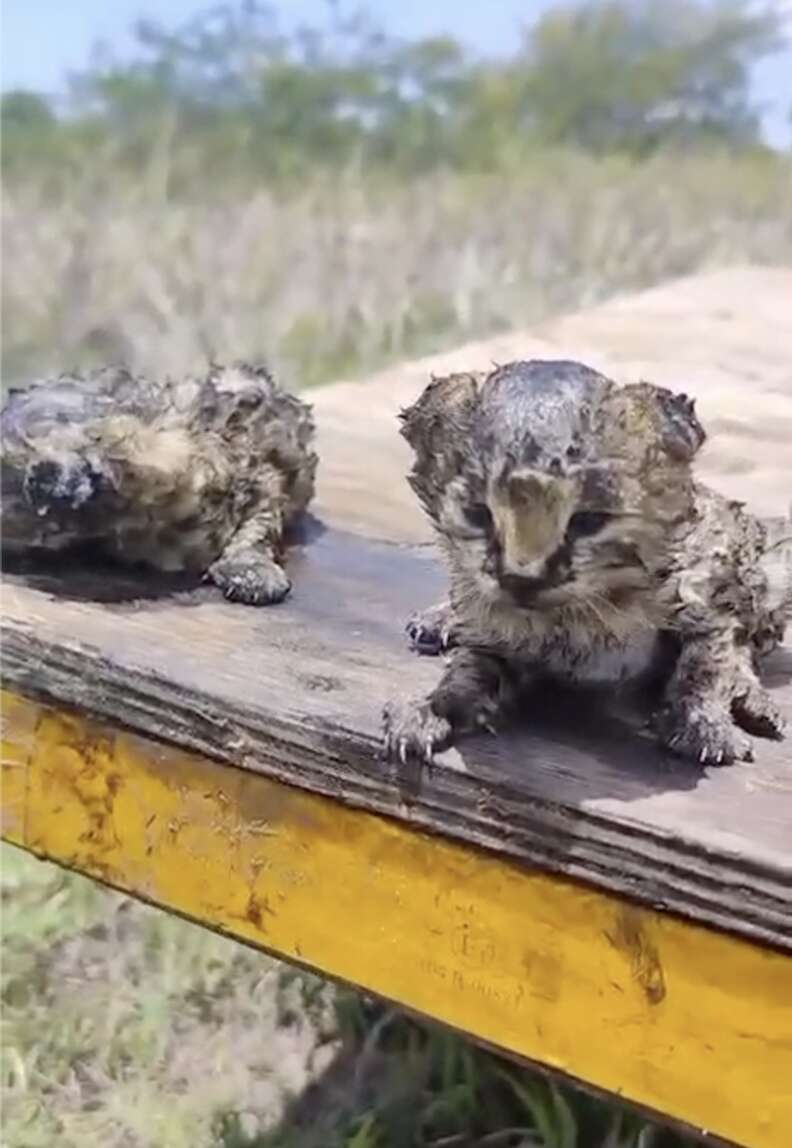
Dr. Venter, a veterinarian with Wild and Free Wildlife Rehabilitation, reviewed a video of the injured animals and discovered these were no domestic housecats but two tiny servals. In the video, they were covered in soot and struggling to keep their heads up, so Dr. Venter leapt into action.
He met Deidre Joubert, head of Wild and Free Wildlife Rehabilitation, and her daughter, Thumi, at the burned-out field to search for the babies. When they found the servals, it was a shocking sight.
“Both kittens were in a very serious state,” Joubert told The Dodo. “They were weak, dehydrated and suffering from smoke inhalation, as well as multiple burn wounds.”
The team couldn’t find any adult servals in the area, which led them to believe the 3-week-old babies were now orphans. Luckily, they were in good hands. Joubert named them Phoenix and Isha.
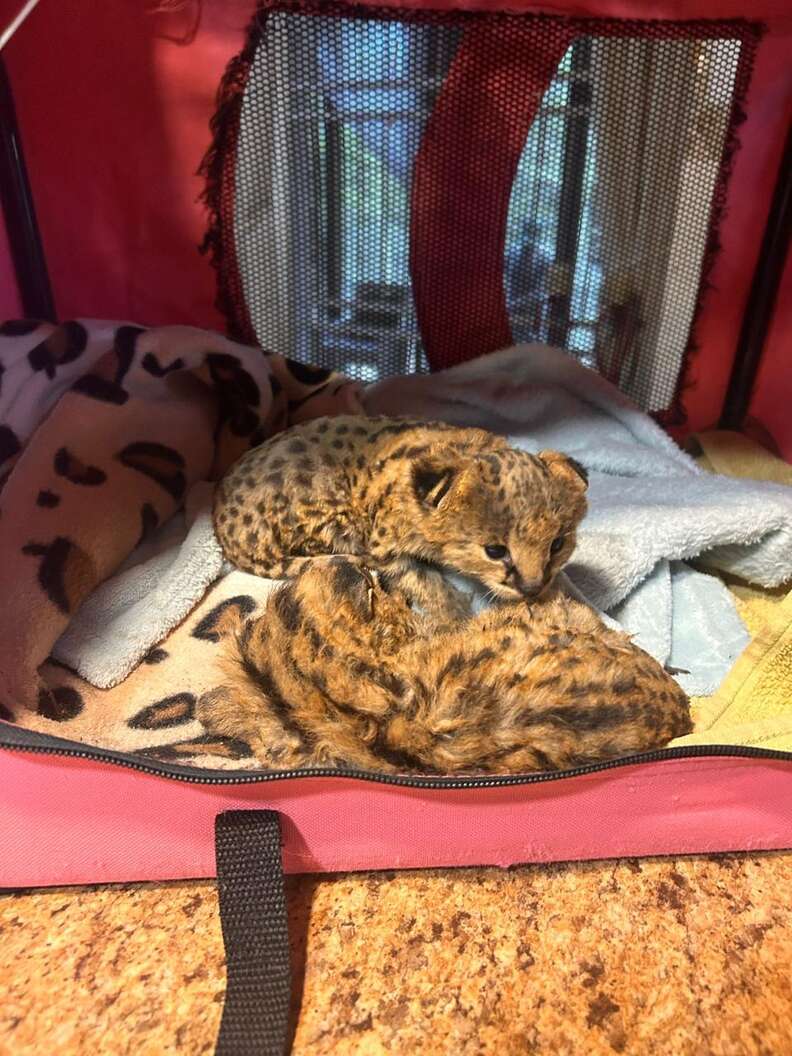
Back at the rehab center, Phoenix and Isha received fluids, antibiotics and oxygen nebulizers to clear their lungs of smoke — not to mention pain management.
Both servals had burns on their faces, paw pads and ear tips. But Joubert said Phoenix’s injuries were more severe, especially on her face and tail.
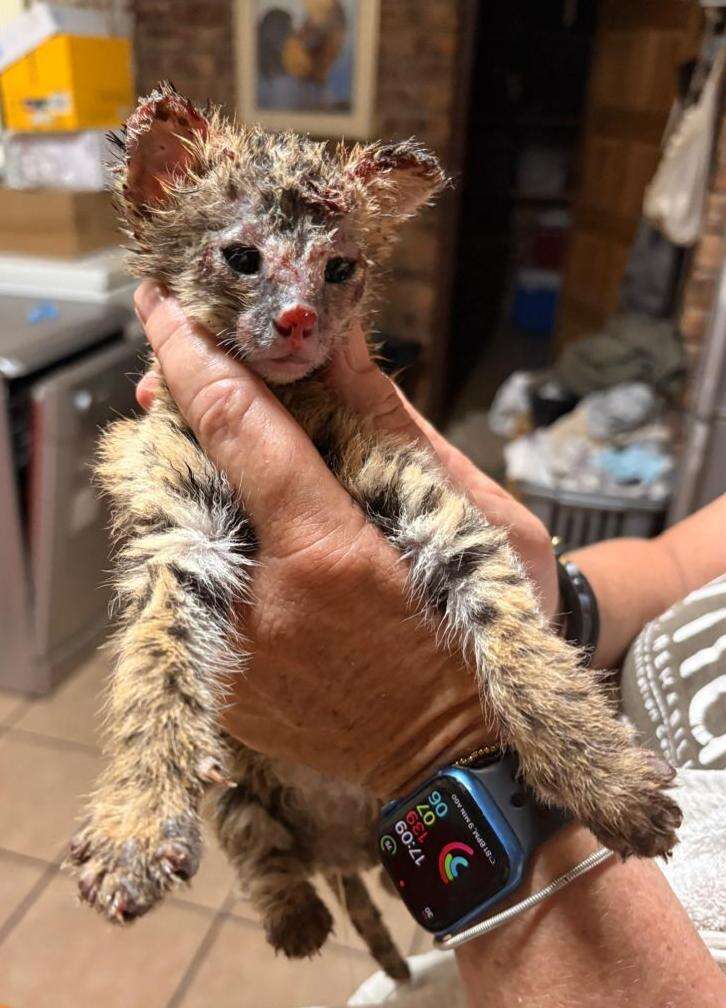
“We believe [Isha] may have been partially shielded by Phoenix during the fire,” Joubert said.
After such a harrowing ordeal, Joubert and Thumi watched the pair closely for several weeks, feeding them every two hours — even throughout the night — and cleaning their wounds.
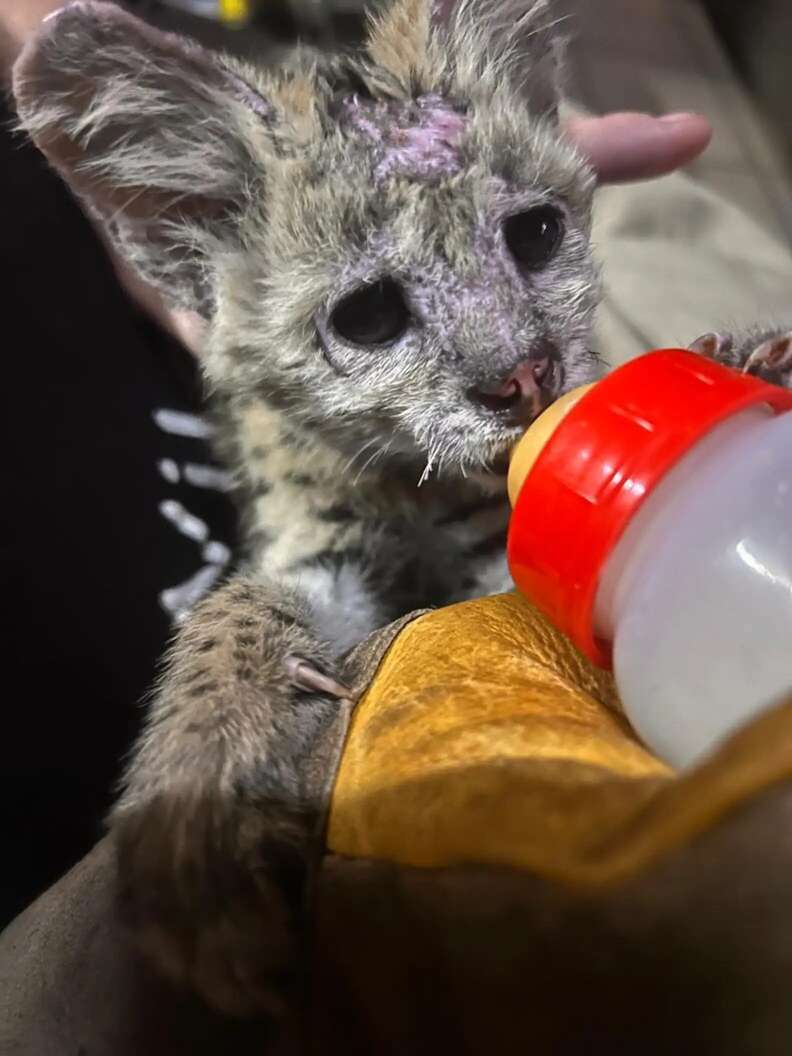
Slowly but surely, the cubs improved. Joubert credits Thumi with reminding the cubs what it felt like to be mothered.
“[Thumi] took over many of the night shifts once the kittens were admitted,” Joubert said. “Her calm, gentle nature played an important role in their recovery.”
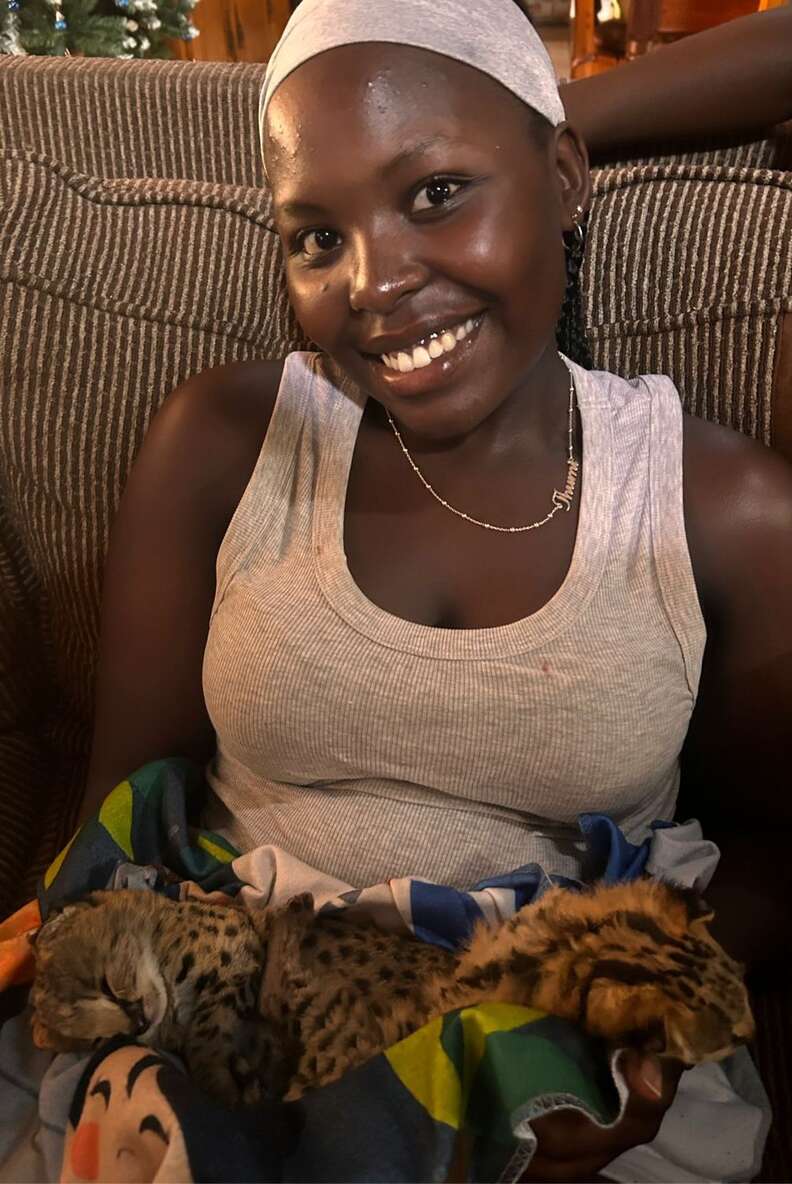
Nearly three months after their miraculous survival, Phoenix and Isha are lively, curious cubs, whom Joubert lovingly calls “little ‘monsters.’”
“Phoenix is bold and determined,” Joubert added, “while Isha is slightly more cautious, but just as adventurous once she feels secure.”
They wrestle together in their enclosure, honing their hunting skills and even making friends — another serval named Tigger is their newest pal.
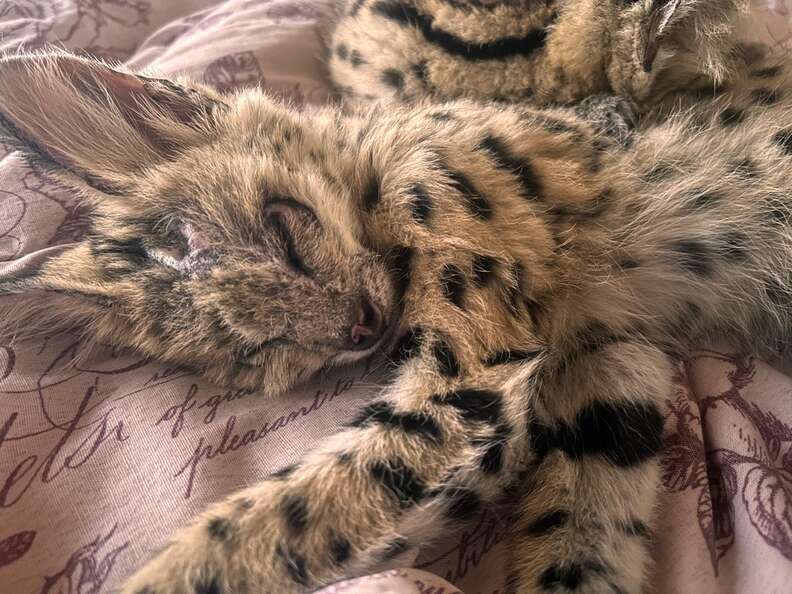
Since the fire burned the cubs’ tails, which servals rely on for balance and agility, Joubert’s team will make sure Phoenix and Isha can move and climb swiftly before releasing them back into the wild.
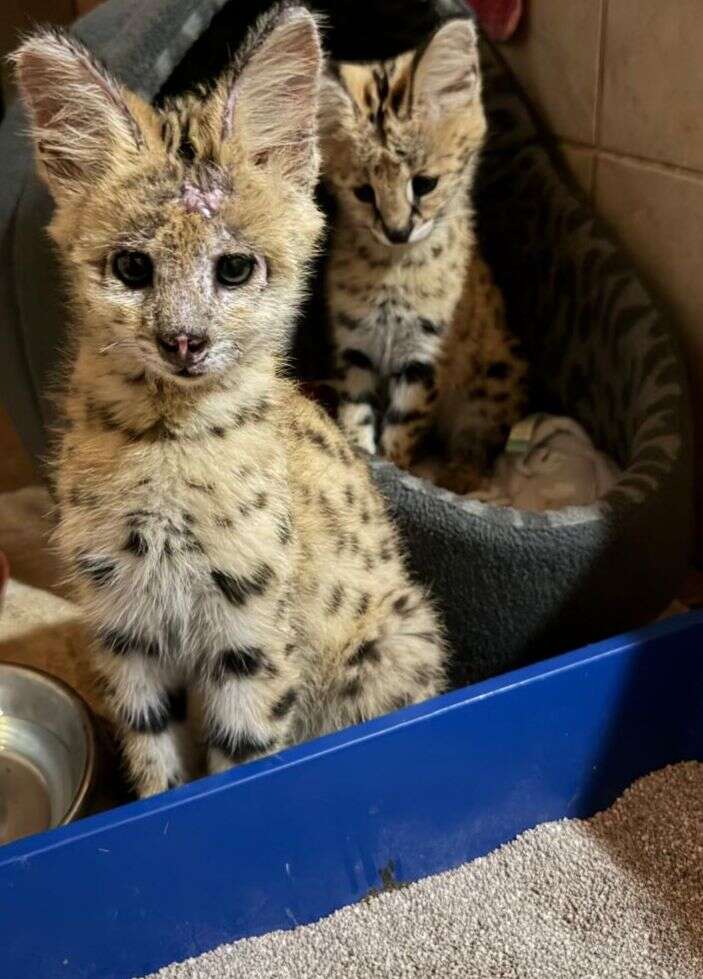
“Right now, the focus is on continued rehabilitation and helping them develop the physical strength and natural behaviours they’ll need in the wild,” Joubert said.
After literally rising out of the ashes, Phoenix and Isha have very bright futures.