Elon Musk’s $10 Billion AI Gamble: Tesla Is Building the Future—From the Inside Out
Elon Musk has once again pulled back the curtain on Tesla’s most ambitious mission yet—not just to build electric cars, but to build intelligence itself.
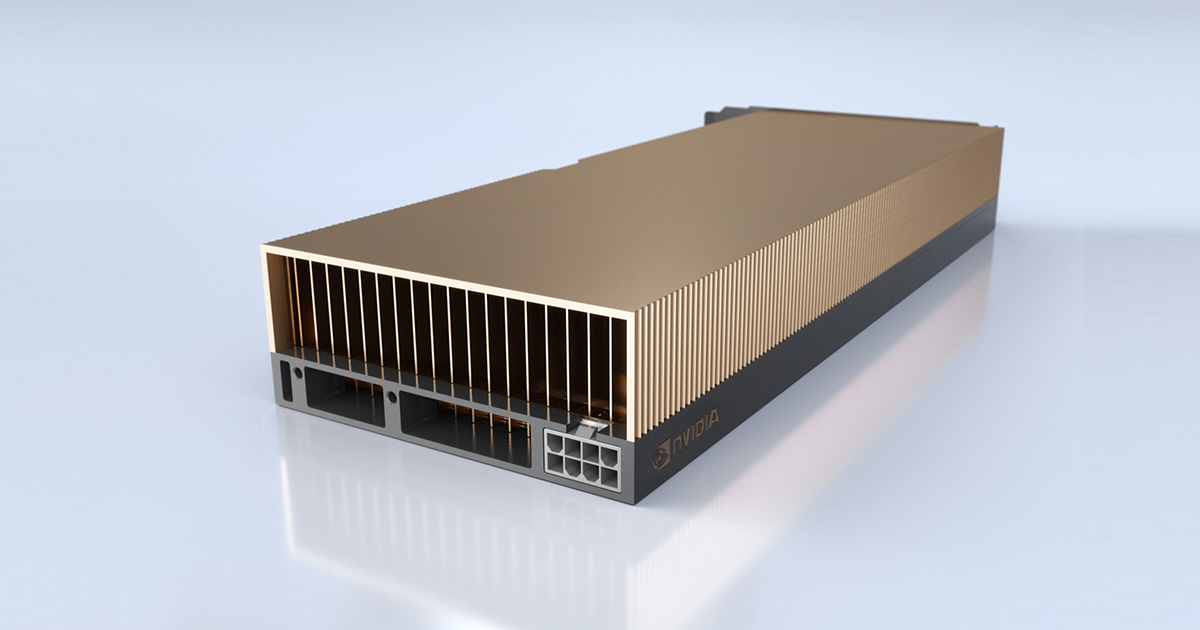
This year alone, Tesla will spend nearly $10 billion on Nvidia hardware to train its self-driving systems. But according to Musk, that number tells only half the story. Without Tesla’s in-house AI4 chip, the cost would be almost double.
Every Tesla Is a Rolling AI Supercomputer


Tesla now produces nearly 2 million vehicles per year. But calling them “cars” almost feels outdated.
-
Dual AI processors
-
Multiple high-resolution cameras
-
Redundant steering systems
-
High-bandwidth data connectivity
This architecture isn’t optional. It’s the foundation for Tesla’s long-term vision: a fully autonomous robotaxi network.
“If you want real autonomy,” Musk has emphasized, “you must build the intelligence into the vehicle from the ground up.”
In other words, autonomy isn’t an add-on feature. It’s the core product.
A Direct Challenge to the Auto Industry
Musk didn’t hold back when addressing competitors.
Many traditional automakers rely heavily on off-the-shelf Nvidia systems while investing cautiously in true AI autonomy. But buying hardware, Musk argues, isn’t enough.
Without owning the entire AI stack—hardware, software, and data—companies risk becoming passengers in a race they think they’re driving.
For Tesla, control equals speed.
And speed may determine who wins the autonomy revolution.
Nvidia’s Alpamayo: A Future Rival—Not Today’s Threat
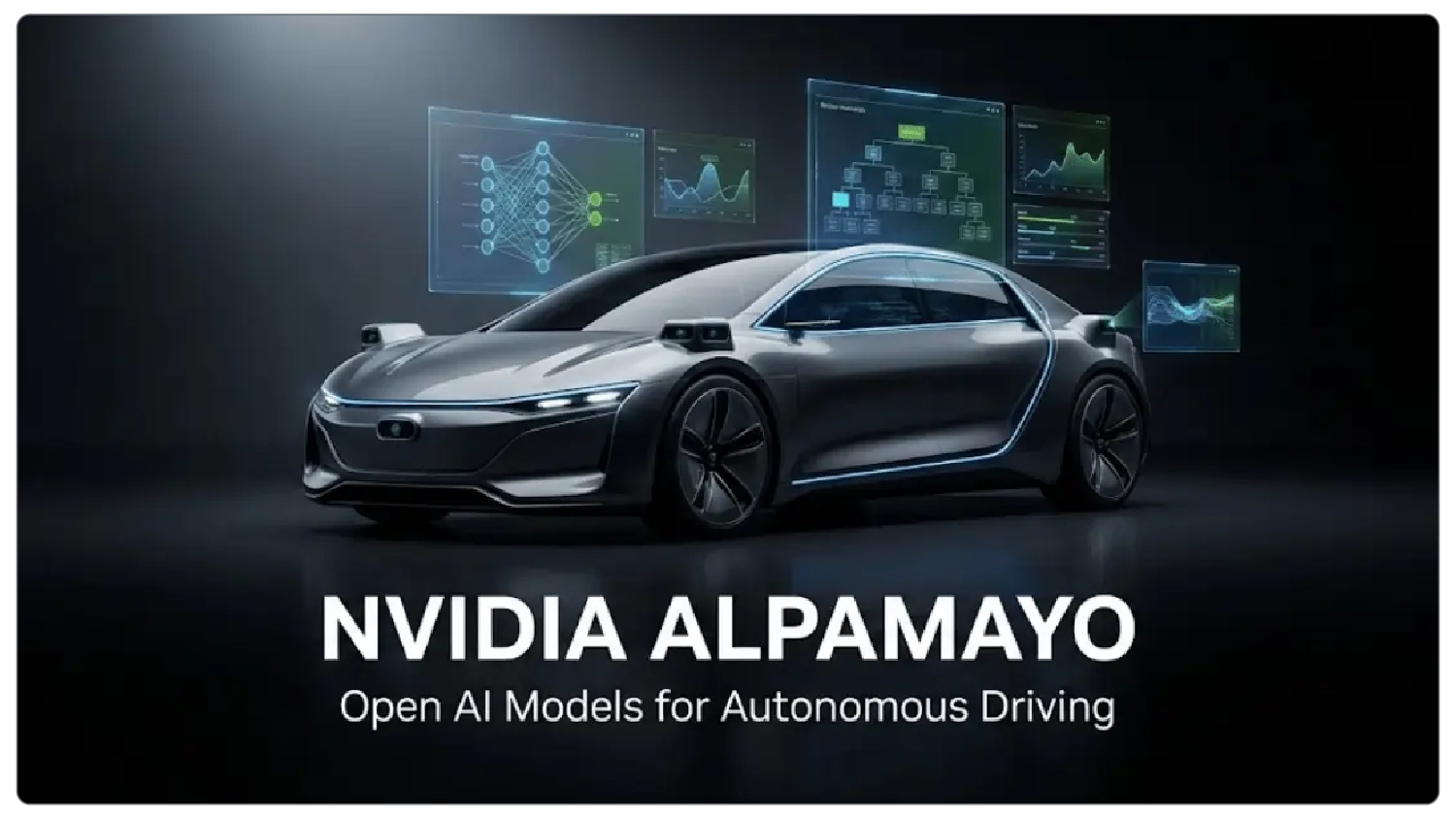
When asked about Nvidia’s upcoming Alpamayo AI platform, Musk acknowledged its promise. But he cautioned against assuming it’s an immediate threat.
In his view, meaningful competition could emerge in five to six years.
And even then, the hardest leap remains:
Going from “mostly working” self-driving
to provably safer-than-human autonomy.
That gap isn’t small.
It’s technical, regulatory, financial—and unforgiving.
The Boldest Bet in Modern Tech 🚀
Tesla isn’t just investing billions to sell more vehicles.
It’s investing to reshape:
-
Urban transportation
-
Car ownership
-
Ride-sharing economics
-
And potentially, global mobility infrastructure
“The path to autonomy is not for the cautious.”
With proprietary AI chips in every vehicle and an ever-growing mountain of real-world driving data, Tesla is making one of the boldest bets in modern tech history.
And if Musk is right?
This $10 billion AI gamble isn’t the climax.
It’s just the opening move.