It wasn’t just a rough outing—it was a complete unraveling that sent shockwaves through Toronto. Max Scherzer, the future Hall of Famer known for dominance and precision, was torn apart by the Cleveland Guardians in an 8-6 loss that quickly spiraled out of control. In just 2 1/3 innings, Scherzer surrendered seven runs, including multiple home runs, in what is now being labeled one of the most concerning starts of his season.
From the very first inning, something felt off.
The Guardians didn’t just hit Scherzer—they attacked him with intent, confidence, and patience. Cleveland exploded early, scoring five runs in the opening frame and immediately putting the Blue Jays on the back foot. What followed was less a pitching duel and more a relentless offensive barrage, highlighted by a breakout performance from Angel Martínez, who launched two home runs and repeatedly exposed Scherzer’s inability to adjust.
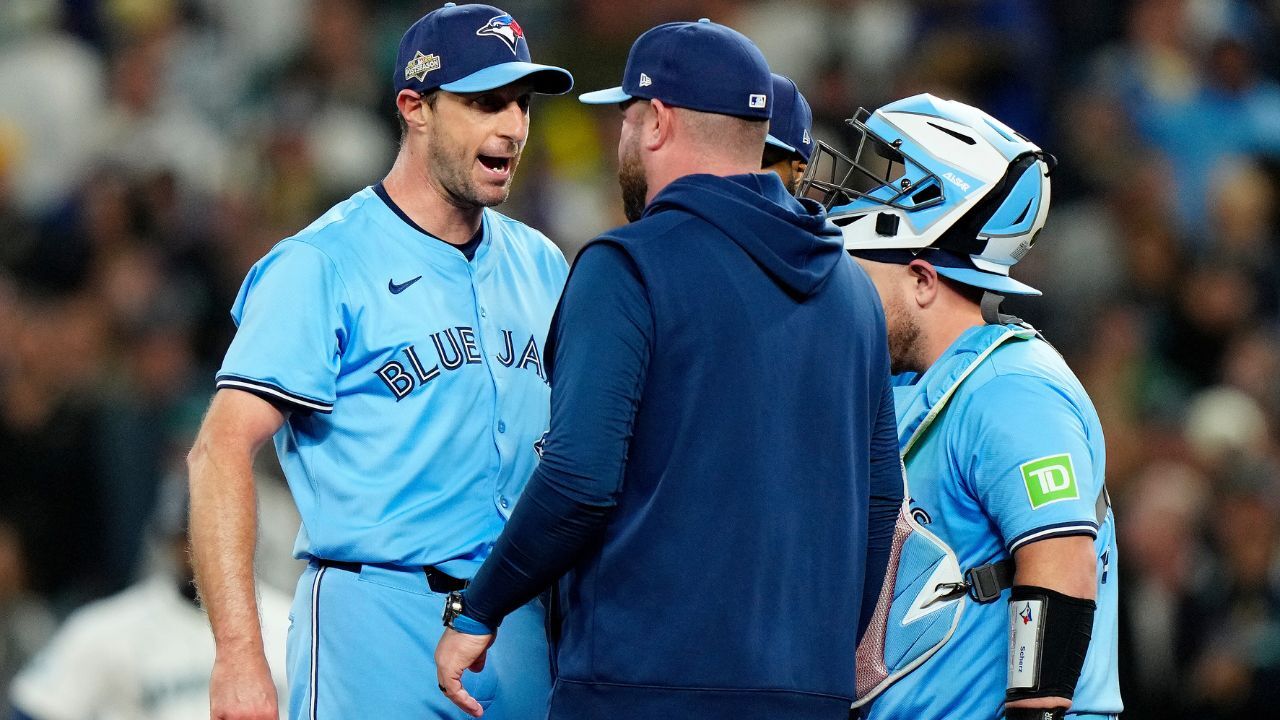
So what exactly went wrong?
The answer lies in a combination of command breakdown, predictability, and a troubling lack of swing-and-miss stuff.
Perhaps the most shocking stat: Scherzer failed to record a single strikeout. For a pitcher whose identity has long been built on overpowering hitters, that number stands out like a warning siren. Instead of dictating at-bats, Scherzer was reacting—falling behind in counts, leaving pitches over the plate, and allowing hitters to sit comfortably on his arsenal.
His fastball, once a weapon, looked far more hittable.
Guardians hitters appeared locked in from the start, timing his pitches with unusual ease. Long at-bats—like the one where Martínez fouled off multiple pitches before going deep—highlighted another issue: Scherzer couldn’t put hitters away. That inability to finish at-bats extended innings, drove up his pitch count, and ultimately led to costly mistakes.
And when those mistakes came, Cleveland didn’t miss.
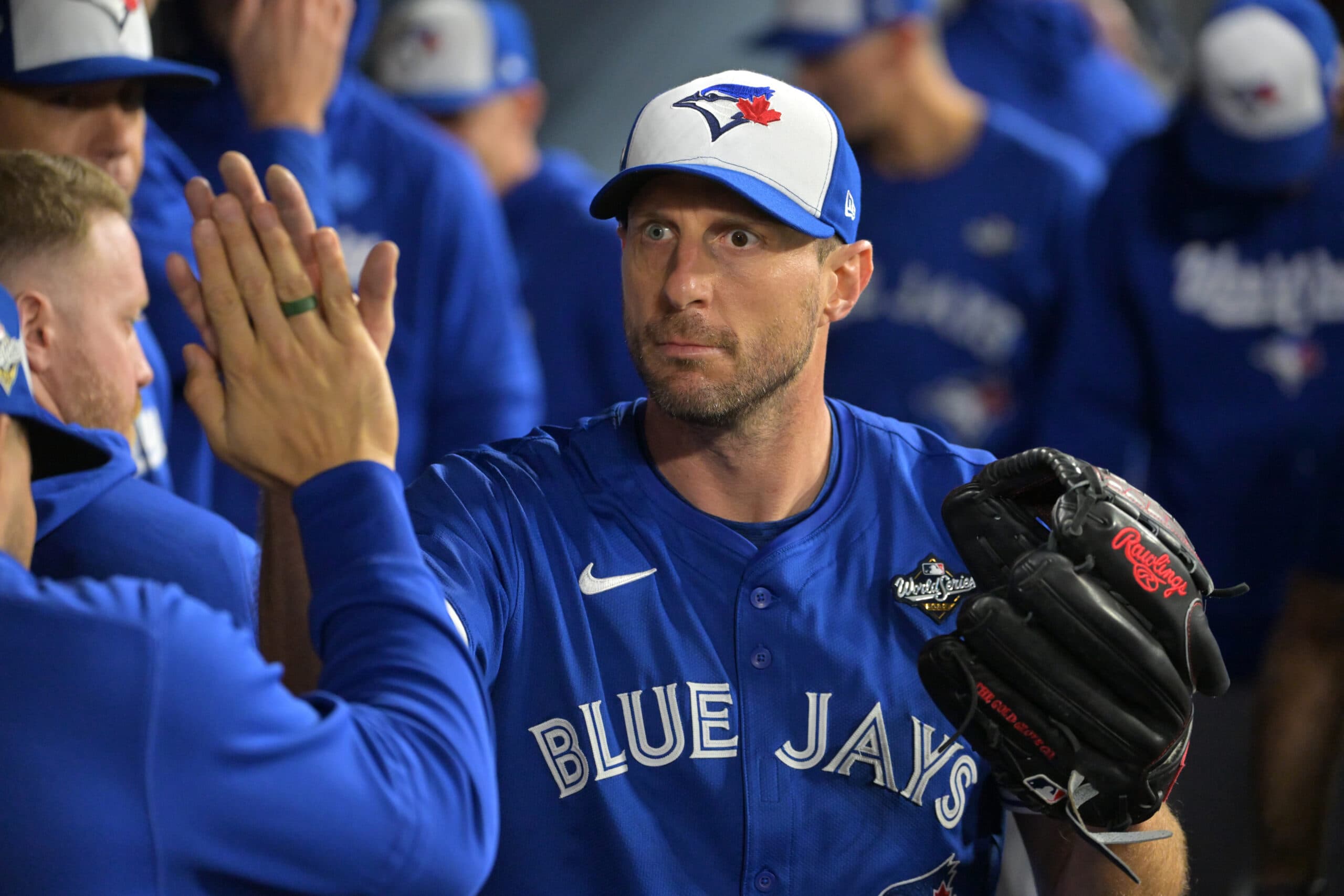
Three home runs allowed in just over two innings tells the story of a pitcher whose margin for error had completely vanished. Balls that might have once been weak contact turned into loud, damaging swings. The Guardians weren’t guessing—they were anticipating.
There’s also a deeper concern lingering beneath the surface.
Earlier this season, Scherzer dealt with forearm discomfort and a noticeable dip in velocity, raising questions about his physical condition. While he has not directly blamed injury for this latest outing, the signs are difficult to ignore. A slight loss in velocity, even by a mile per hour, can drastically change how hitters perceive and attack a pitcher—especially one who relies on precision and deception.
And right now, that deception appears to be fading.
The consequences are already becoming serious.
Scherzer’s ERA has ballooned to alarming levels, and his recent performances are placing his role in the rotation under increasing scrutiny. With other arms nearing a return from injury, the Blue Jays may soon face difficult decisions about how long they can afford to wait for their veteran ace to rediscover his form.
Inside the clubhouse, the urgency is undeniable.

This isn’t just about one bad start—it’s about a pattern that’s beginning to form. For a team with postseason ambitions, instability at the top of the rotation is a problem that cannot be ignored. And when that instability comes from a pitcher of Scherzer’s stature, the impact is even more profound.