Davis Schneider quietly did something special… even the Toronto Blue Jays didn’t expect the meaning behind it.
In a move that is as emotional as it is impactful, Davis Schneider of the Toronto Blue Jays has stepped into the spotlight for a reason far bigger than baseball. Known for his high-energy presence and clutch performances on the field, the 27-year-old infielder is now using his growing platform to confront a deeply personal tragedy—one that continues to shape his life and purpose beyond the diamond.
On Wednesday, Schneider announced a new partnership with Emergent BioSolutions, becoming a paid spokesperson for the company behind Narcan nasal spray, a life-saving medication used to reverse opioid overdoses. While athlete endorsements are nothing new in professional sports, this collaboration carries a weight that transcends marketing. For Schneider, it is about remembrance, responsibility, and a mission to prevent others from experiencing the same loss his family endured.

At the heart of this story is Steven Schneider, Davis’s older brother, who passed away from an opioid overdose in November 2020. Steven was a registered nurse, a caregiver by profession and by nature—someone who dedicated his life to helping others. His death sent shockwaves through the Schneider family, leaving behind not just grief, but unanswered questions and a profound sense of urgency.
In a statement released alongside the partnership announcement, Davis Schneider offered a glimpse into the bond they shared and the legacy his brother left behind.
“Steven brought a smile to everyone’s face,” Schneider said. “Whether it was his patients or the people closest to him, he always found a way to lift others up. He inspired me to be a better person every day. You never really know what someone else is going through, and that’s why being prepared can make all the difference.”
That sense of preparedness is central to Schneider’s new role. Narcan, the brand name for naloxone, has become a critical tool in the fight against the ongoing opioid crisis. Administered as a nasal spray, it can rapidly reverse the effects of an overdose, often serving as the difference between life and death in emergency situations. By aligning himself with this cause, Schneider is not just sharing his story—he is amplifying a message that health officials have been struggling to communicate for years.

The partnership will also feature Schneider’s personal experience on Emergent’s “Opioid Crisis Impact Map,” an interactive platform designed to highlight real-life stories from individuals and families affected by opioid addiction. It is a space where statistics become humanized, where numbers are replaced by names, and where the scale of the crisis becomes impossible to ignore.
According to recent government data, more than 5,700 people in Canada lost their lives to opioid toxicity between October 2024 and September 2025—an average of 16 deaths per day. Thousands more were hospitalized due to opioid-related poisonings during that same period. These figures paint a grim picture, one that underscores the urgency behind initiatives like Schneider’s.
For Davis, however, this is not about data points. It is about Steven.
At the time of his brother’s passing, Schneider was still grinding through the minor leagues, far removed from the bright lights of Major League Baseball. The path to the big leagues is rarely straightforward, and for a moment, it seemed as though grief might derail his journey entirely. But according to his father, Steve Schneider, that loss became a turning point rather than an endpoint.
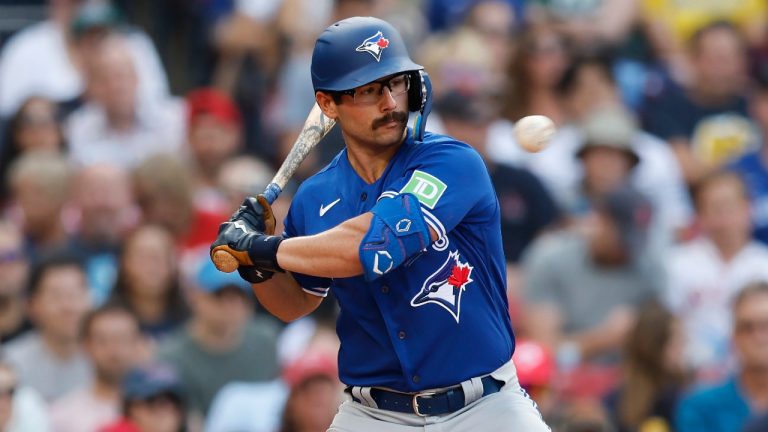
“It could have gone either way,” his father said in a previous interview. “He could have let it consume him, believed that everything was broken. Instead, he chose to keep going. He decided that his brother would be with him every step of the way.”
That mindset has defined Schneider’s rise. Since breaking into the majors, he has become a fan favorite in Toronto—not just for his performance, but for his authenticity. There is a visible joy in the way he plays, a sense of gratitude that resonates with fans who see more than just statistics when they watch him take the field.
Now, that same authenticity is driving a new chapter in his career.
By speaking openly about his brother’s death, Schneider is helping to break down the stigma that often surrounds addiction and overdose. It is a conversation many families avoid, either out of shame or fear of judgment. But Schneider’s willingness to confront it head-on is creating space for others to do the same.
Emergent BioSolutions has emphasized the importance of this visibility, noting that public figures like Schneider play a crucial role in shifting perceptions and encouraging action. Access to Narcan has expanded significantly in recent years, with many pharmacies across Canada offering it free of charge and without a prescription. Yet awareness remains a barrier—one that Schneider hopes to dismantle.
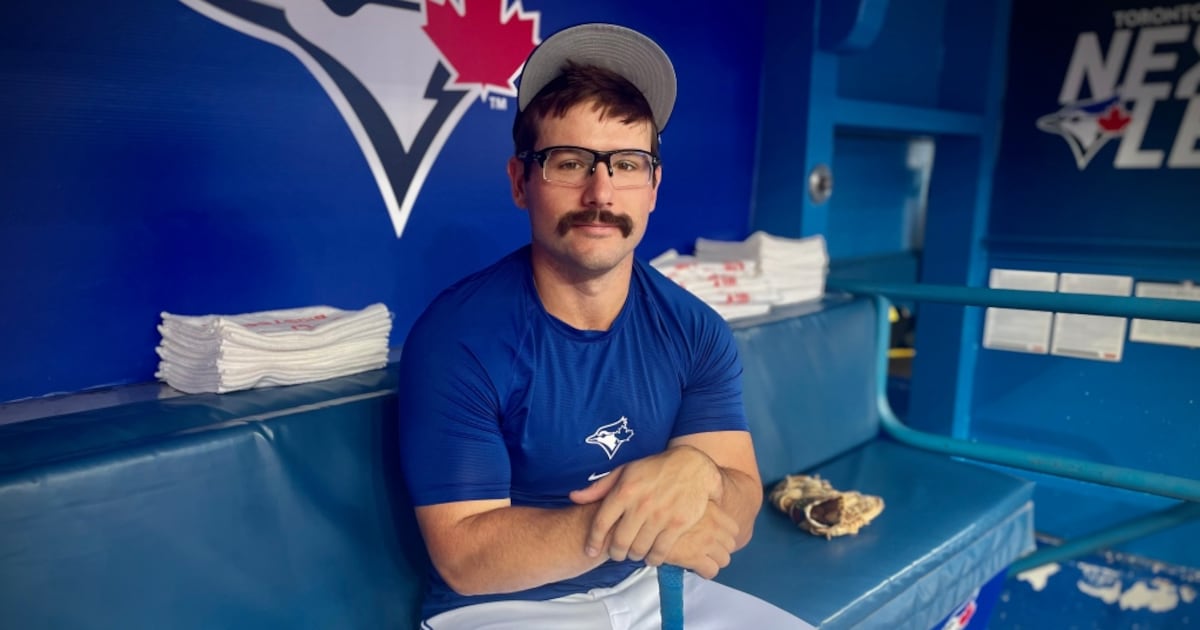
“This is about saving lives,” he said. “If sharing my story helps even one person be prepared in that moment, then it’s worth it.”
As the baseball season continues, Schneider will return to the field, delivering hits and energizing crowds in typical fashion. But beyond the box scores and highlight reels, his impact is already being felt in a different, far more profound way.
Because sometimes, the most important moments don’t happen under stadium lights.
Sometimes, they begin with a story—one that refuses to be forgotten.