The life of a Major League catcher is often described as that of a servant to the pitcher—a role that demands total synchronicity and trust. For young Los Angeles Dodgers catcher Dalton Rushing, that trust was put to the ultimate test just ten days ago in a high-tension matchup against the Minnesota Twins. Following a passed ball that allowed a run to cross the plate, the cameras caught Rushing and Shohei Ohtani in a heated exchange at the mound. The body language was unmistakable: they were not on the same page.
The Burden of Expectation

For a rising star, the pressure of working with a global phenomenon like Ohtani is immense. In the aftermath of that viral moment, rumors of a fractured relationship began to swirl. However, Rushing has chosen to meet the scrutiny head-on. In a candid moment with the media, the young catcher didn’t shy away from the blame.
“They always have my back,” Rushing admitted, referring to his teammates. “It’s embarrassing that I need support like that… Hasn’t been great as of late. I’m gonna be better.” It was a rare, vulnerable admission in a league that often prioritizes stoicism. Rushing’s willingness to own his mistakes has resonated with fans who have seen him struggle—not just behind the plate, but at the plate, where he recently went 0-for-4 with three strikeouts.
A “Growing Moment” or a Fault Line?
The Dodgers organization has been quick to manage the narrative. Veterans like Mookie Betts and Max Muncy have labeled the friction as a “growing moment,” a natural byproduct of two highly competitive individuals trying to navigate the complexities of a long season. Manager Dave Roberts reiterated this sentiment, emphasizing the nature of the catcher’s role. “Dalton understands this is what he signed up for, and that the job of a catcher is to be a servant to the pitcher,” Roberts stated.
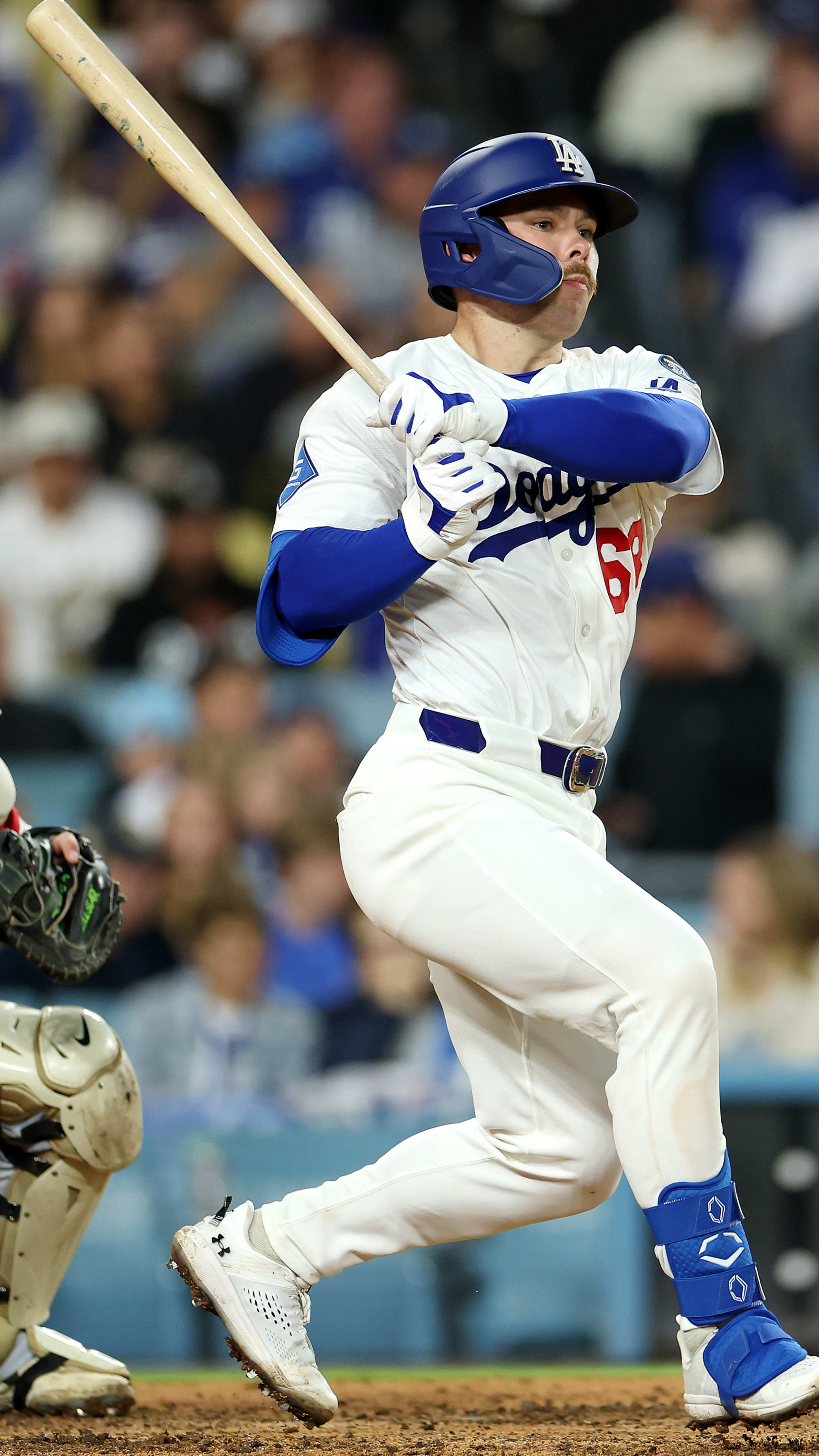
Yet, despite the public assurances, the tension remains a hot topic. Ohtani, known for his intense focus and perfectionism, appeared comfortable with the pitch in question, while Rushing clearly expected something different. That disconnect, while small in isolation, became a lightning rod for broader questions about whether Rushing is ready to handle the rigors of catching one of the greatest players in the history of the sport.
The Showdown at Chavez Ravine
Now, the stage is set for a dramatic redemption arc. As the Dodgers prepare to face the San Diego Padres, the baseball world will be glued to their screens, watching every pitch sequence between Rushing and Ohtani. After a disastrous 7-1 loss to the Athletics, the Dodgers are in desperate need of a momentum shift.
For Rushing, tonight is not just about blocking pitches or framing strikes; it is about reclaiming his dignity and proving to his teammates—and himself—that he belongs in the big leagues. The atmosphere at Chavez Ravine is expected to be electric, and the scrutiny will be unforgiving. Whether this battery can find their rhythm will likely dictate the outcome of the game and perhaps the chemistry of the Dodgers for the weeks to come.
A Future on the Line
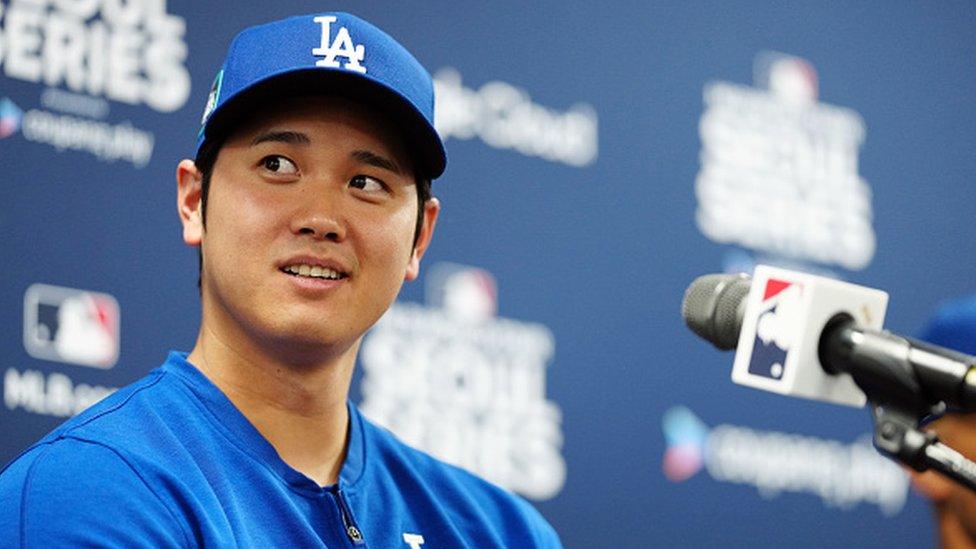
The story of Rushing and Ohtani is far from over. It is a classic narrative of growth under fire. Can Rushing use his embarrassment as fuel to improve, or will the weight of Ohtani’s greatness continue to loom over him? For now, the catcher has asked for patience and promised improvement. The eyes of the world are on him, and tonight, he gets the chance to turn his apology into an action.