49ERS’ SHOCK MOVE: WHY SAN FRANCISCO TRADED LEADING TACKLER DEE WINTERS TO THE COWBOYS.
The 2026 NFL Draft has been defined by bold decisions, but few moves raised eyebrows quite like the San Francisco 49ers trading linebacker Dee Winters to the Dallas Cowboys in the middle of Day 2.
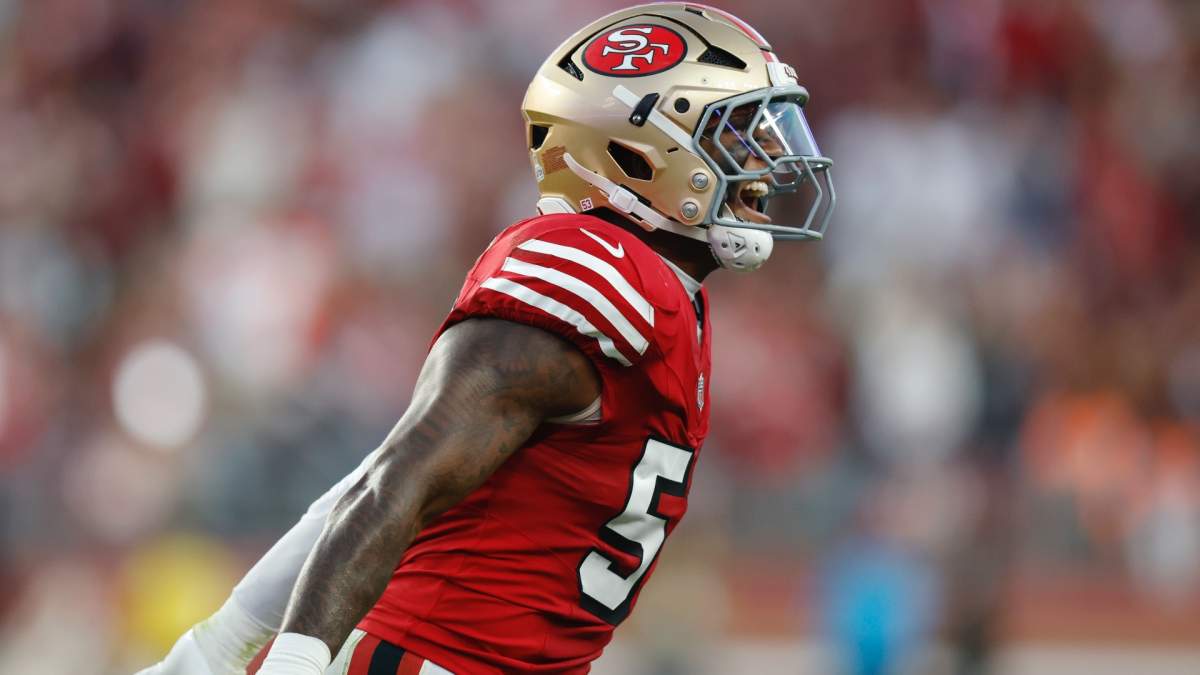
At first glance, the deal seemed puzzling. Winters wasn’t just another rotational player—he was coming off a breakout 2025 season in which he started all 17 games and led the team with 101 tackles. His production, consistency, and growing presence on defense made him one of the more reliable pieces in San Francisco’s lineup.
So why move him now?
The answer lies in a combination of roster depth, long-term planning, and draft strategy. The 49ers dealt Winters to Dallas in exchange for a fifth-round pick (No. 152 overall), a move that immediately gave them additional draft capital. But the real story goes deeper than the return value.

San Francisco’s linebacker room had quietly become overcrowded. With the return of veteran linebacker Dre Greenlaw and the continued dominance of All-Pro Fred Warner, opportunities for Winters were becoming less certain. What once looked like a position of need had turned into a surplus—and in the NFL, surplus often translates into trade opportunities.
Rather than risk losing value or limiting playing time for a productive player, the 49ers chose to act. By trading Winters at the peak of his value, they turned a crowded position into a strategic advantage.
But the move didn’t stop there. In classic 49ers fashion, the team quickly flipped the acquired fifth-round pick as part of another trade, packaging it with their second-round selection to move down while gaining additional assets. This sequence of moves highlights a key element of San Francisco’s draft philosophy: flexibility.
For general manager John Lynch, the draft is not just about selecting players—it’s about manipulating value. By accumulating picks and repositioning on the board, the 49ers aim to maximize their chances of finding contributors across multiple rounds.
From a roster-building perspective, the decision also reflects confidence in the team’s existing core. Unlike rebuilding franchises, the 49ers are not desperate for immediate starters. They already have established leaders on both sides of the ball, which allows them to prioritize depth, development, and long-term planning.
In that context, trading Winters becomes more understandable. While he was productive, he was also entering the final year of his rookie contract. Moving him now allowed the team to extract value rather than face a future decision about extensions or free agency.
For the Cowboys, however, the trade represents an entirely different narrative. Dallas entered the draft with clear defensive needs, particularly at linebacker. Instead of relying solely on rookies, they chose to acquire a proven player who could contribute immediately.
Winters fits that need perfectly. At 25 years old, he brings both youth and experience, along with a proven ability to produce at a high level. His speed, range, and instincts make him an ideal fit for a defense looking to improve consistency and playmaking.
In many ways, this deal reflects contrasting philosophies between the two teams. The 49ers prioritized flexibility and long-term value, while the Cowboys focused on immediate impact and roster stability.
Neither approach is inherently right or wrong—it simply depends on context. For San Francisco, a team with championship aspirations and roster depth, sacrificing one player for multiple opportunities makes sense. For Dallas, a team looking to strengthen key areas quickly, adding a proven contributor is a logical move.
There’s also a broader trend at play. Modern NFL teams are increasingly willing to make aggressive moves during the draft—not just to acquire picks, but to reshape their rosters in real time. The 49ers’ decision to trade Winters is a perfect example of this evolving strategy.
Still, the move carries risk. Depth at linebacker, once a strength, could become a concern if injuries strike. And while draft picks offer potential, they are far from guaranteed to produce at the level Winters already has.
For fans, the trade may feel like a gamble—letting go of a proven player in exchange for uncertainty. But for the front office, it’s a calculated decision rooted in confidence, planning, and a clear understanding of the roster.
Ultimately, the success of this move will be judged over time. If the picks acquired through this trade lead to multiple contributors, the decision will be seen as a masterstroke. If not, questions will inevitably arise about whether the team gave up too much.
For now, though, one thing is clear: the 49ers are not afraid to make bold decisions. Even if it means trading away their leading tackler in the middle of the draft.
Because in today’s NFL, sometimes the biggest moves aren’t about who you draft—but who you’re willing to let go.