
There’s a kind of silence that only hospital rooms know.
The kind that hums between the steady beeps of a monitor, between the rise and fall of a tiny chest that’s fighting to keep rhythm with life itself.
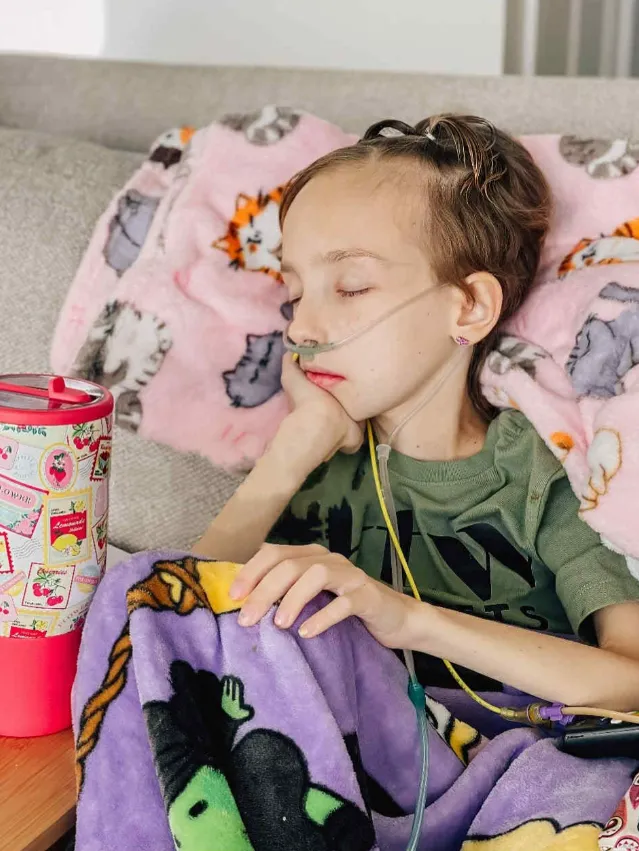
In that silence, a mother and father sit — hands intertwined, hearts both breaking and believing — whispering to each other about the next step.
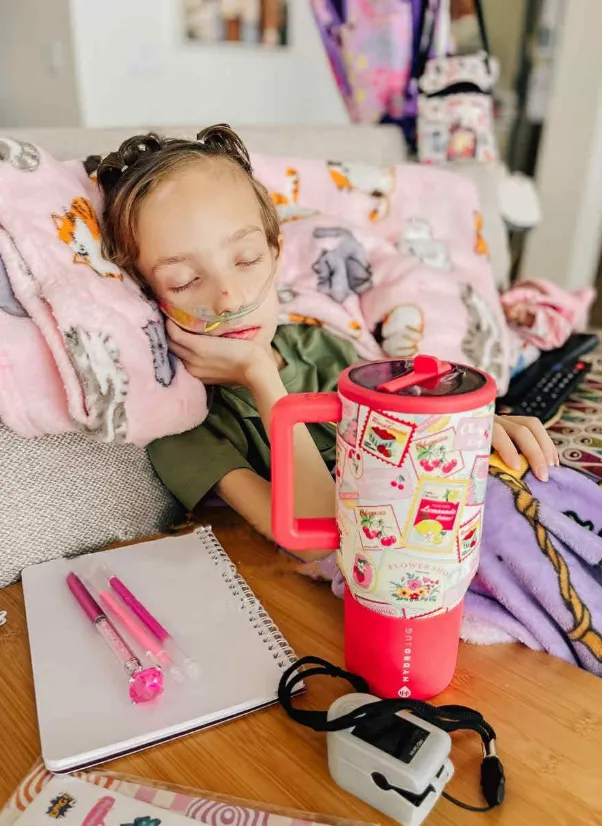
Not the big one.
Not the one that ends with running down playgrounds or dancing in the kitchen.
Just the next breath.
The next day.
The next sunrise that comes with their daughter, Brielle, still here to see it.
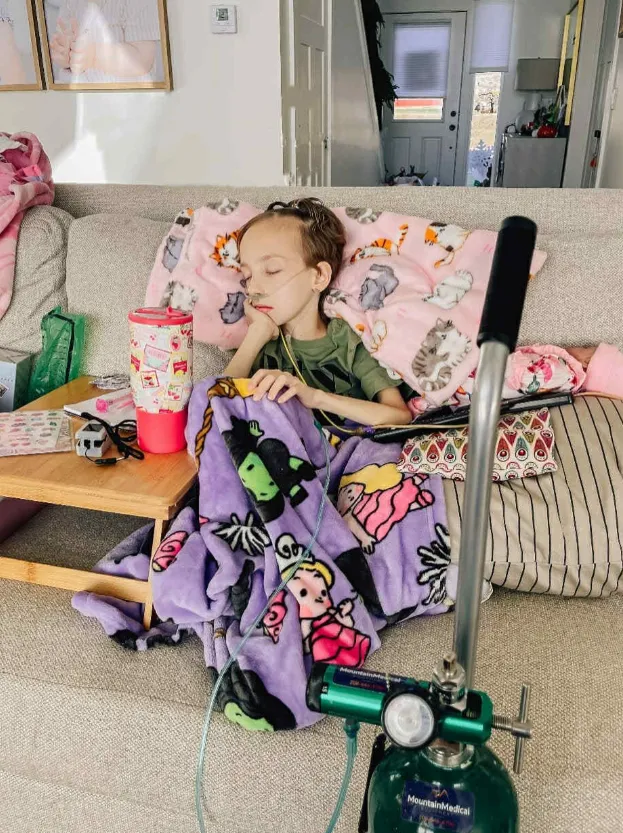
 The Race They Never Chose to Run
It’s a strange thing, this life of waiting.
Waiting for test results.
Waiting for doctors.
Waiting for miracles.
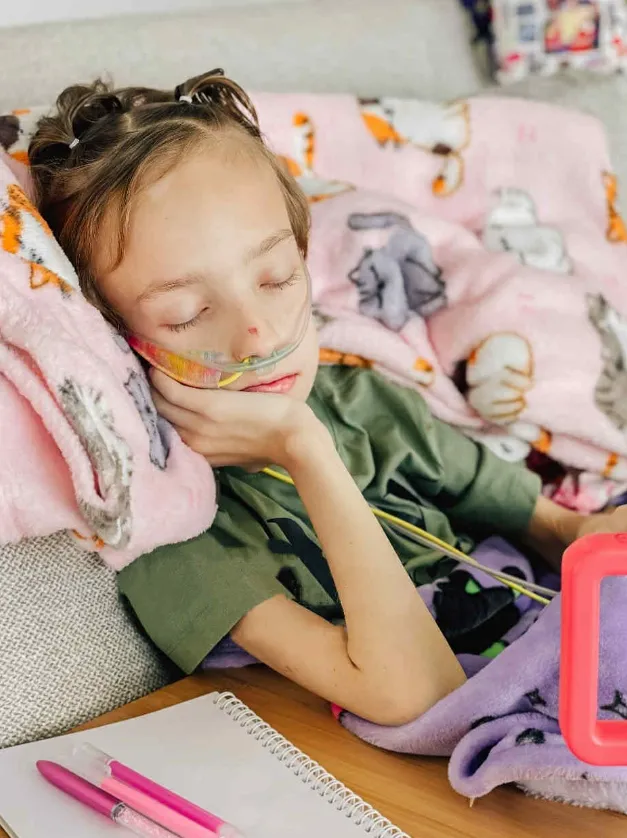
Brielle’s parents talk often about how hard it is not to be in a hurry — not to sprint toward the life they used to dream of.
The one where she walks again.
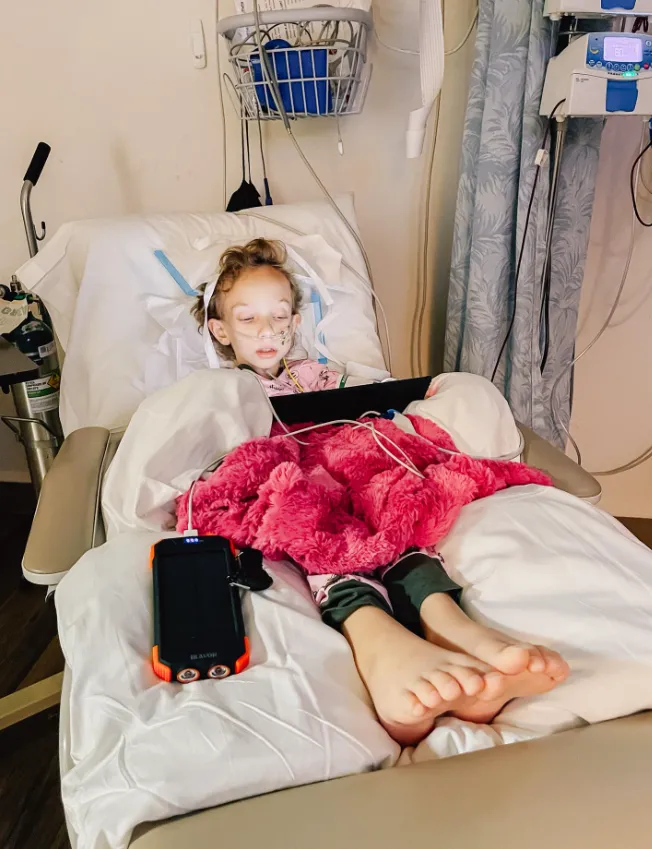
The one where her body is strong and free.
The one where she can dance, go to school, chase her friends across the playground without tubes or monitors or fear.
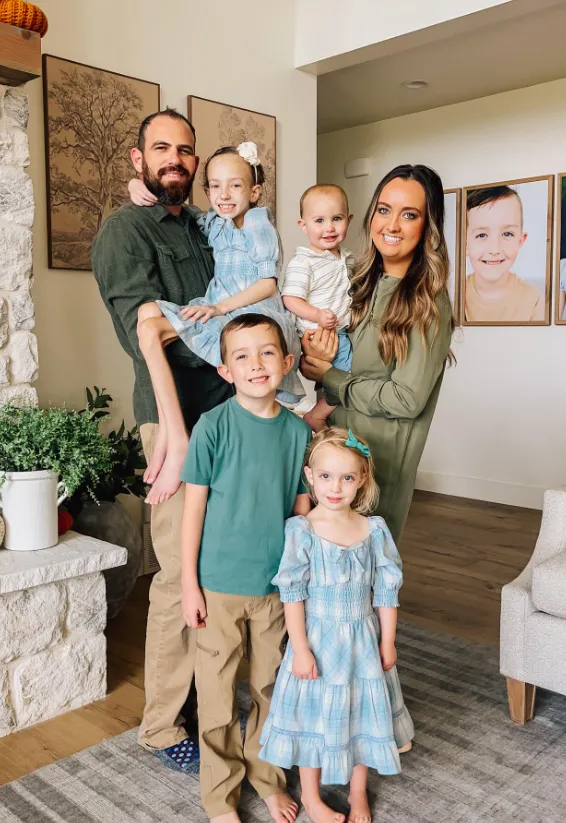
They long for that world more than words can express.
And yet, the doctors’ voices echo in their minds: “Less than one percent chance.”
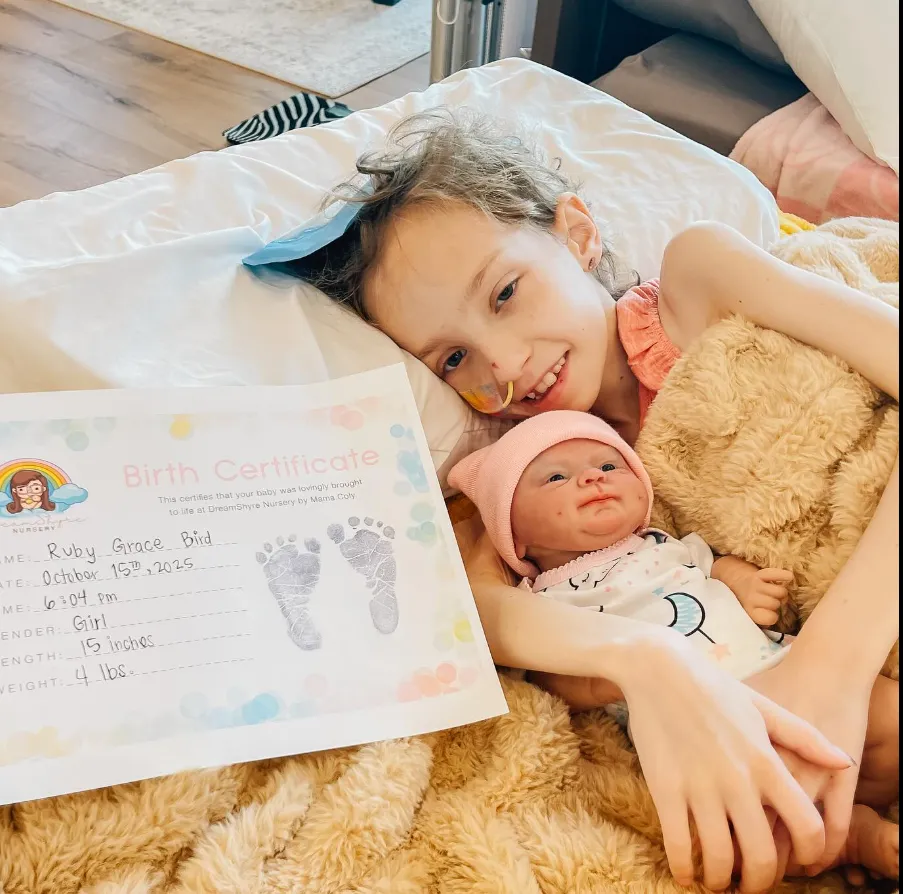
Less than one percent.
A number that should destroy hope.
But somehow, it hasn’t.
Because hope — fragile, confusing, stubborn hope — still lives here.

 The Beautiful, Cruel Weight of Hope
Her mother once wrote, “Why is hope both the most beautiful and the most confusing feeling to possess?”
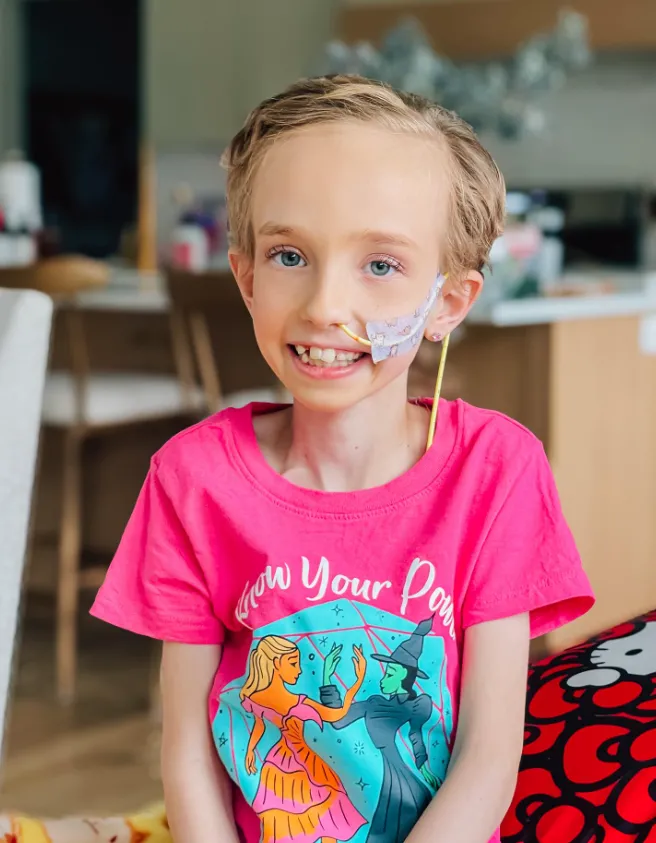
Hope keeps their hearts intact when everything else threatens to fall apart.
But it also hurts — because it teases the impossible.
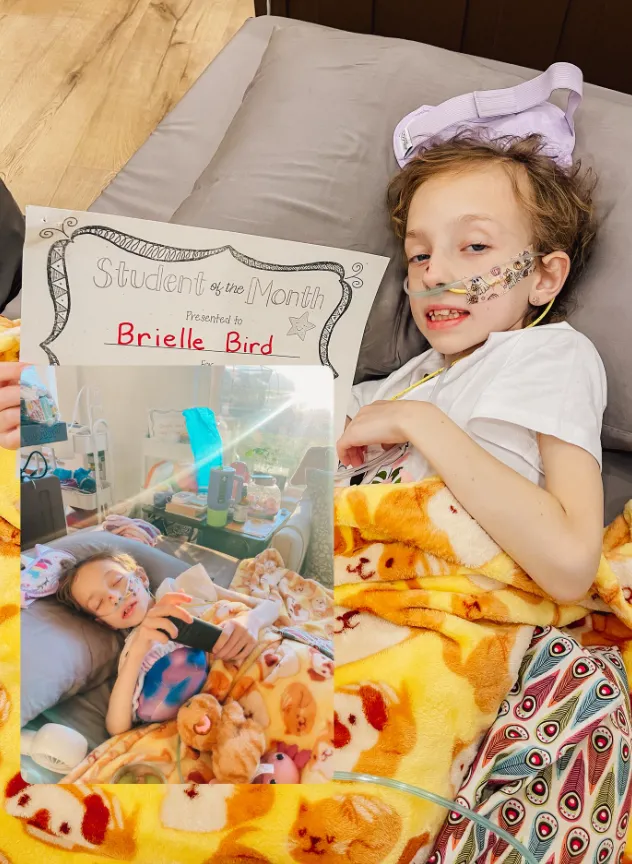
It whispers, “Maybe it will be you. Maybe your daughter will be the miracle.”
And then, just as quickly, fear whispers back, “Don’t be foolish. Don’t hope too much.”

It’s a battle they fight every single day — not just against disease, but against despair.
To keep believing.
To keep hoping.
To keep living in the space between what doctors say and what faith insists could still happen.
And that space — that impossible in-between — has become home.

 Learning to Walk Slowly in a World That Runs
In a world obsessed with speed, Brielle’s parents have learned the sacred art of slowing down.
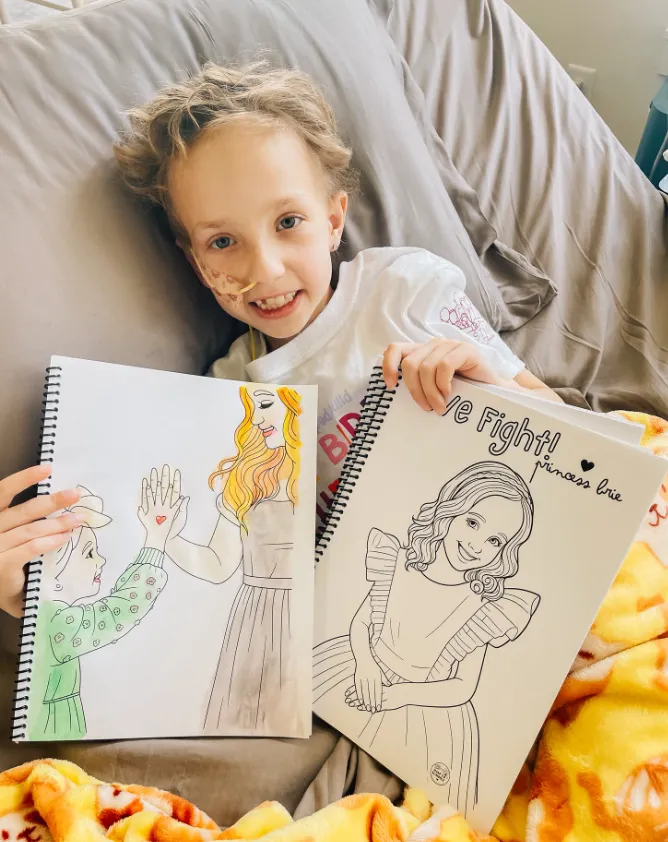
They no longer race toward the finish line.
They pause at every “water station,” as they call them — each small victory, each good lab result, each laugh that breaks through the pain.
They celebrate every checkpoint.
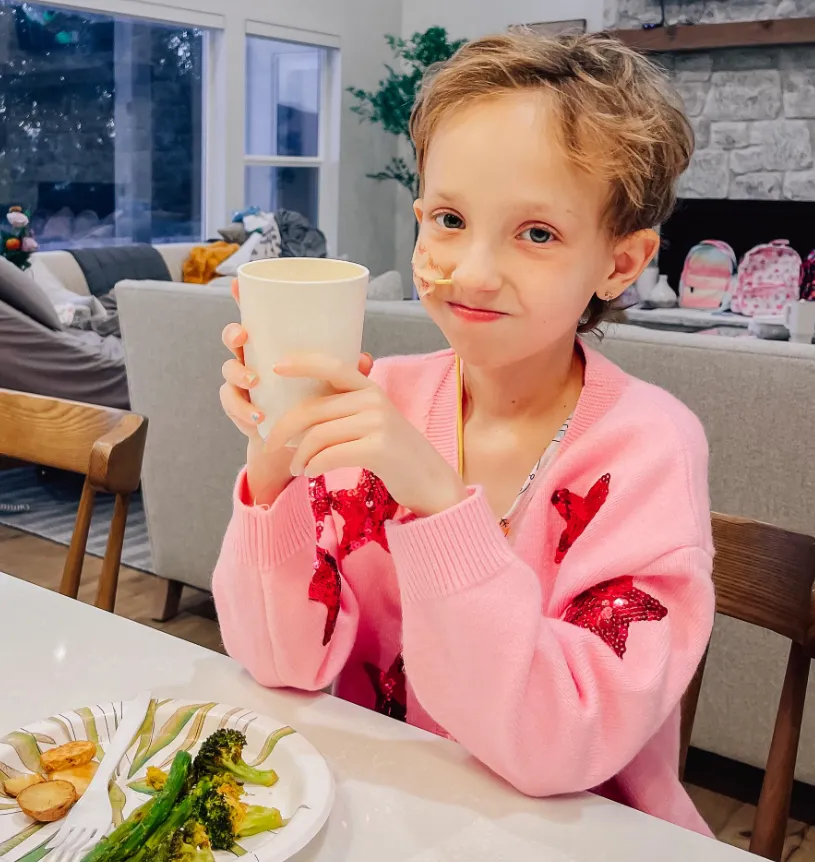
Every time her blood counts hold steady.
Every time her vitals come back strong.
Every night she falls asleep to the sound of her favorite cartoons or giggling about her next MiniVerse craft project.
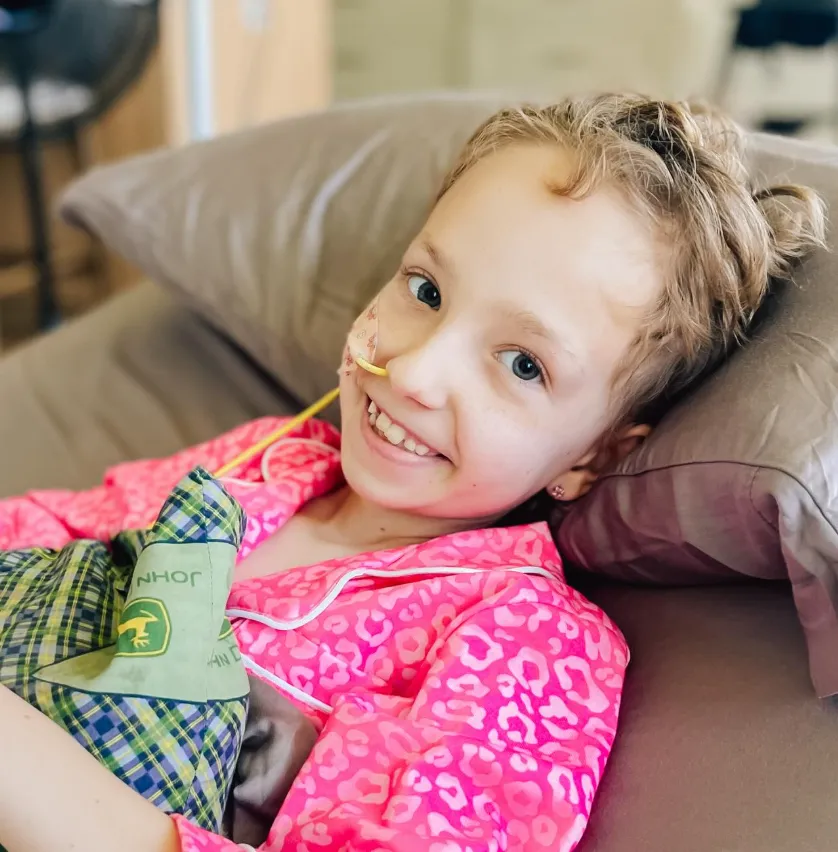
Because when you’re not sure how the race will end, the only thing you can do is
cherish every step.
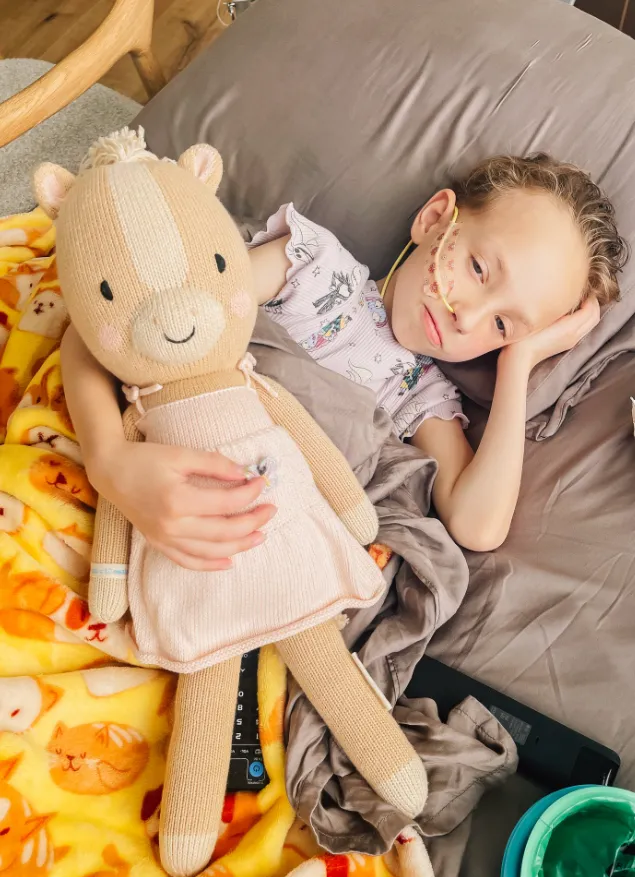
Her mother once said, “We pace ourselves day by day because we’re not sure how this race will end.”

And maybe that’s the greatest act of courage there is — not giving up, even when you don’t know where the finish line lies.
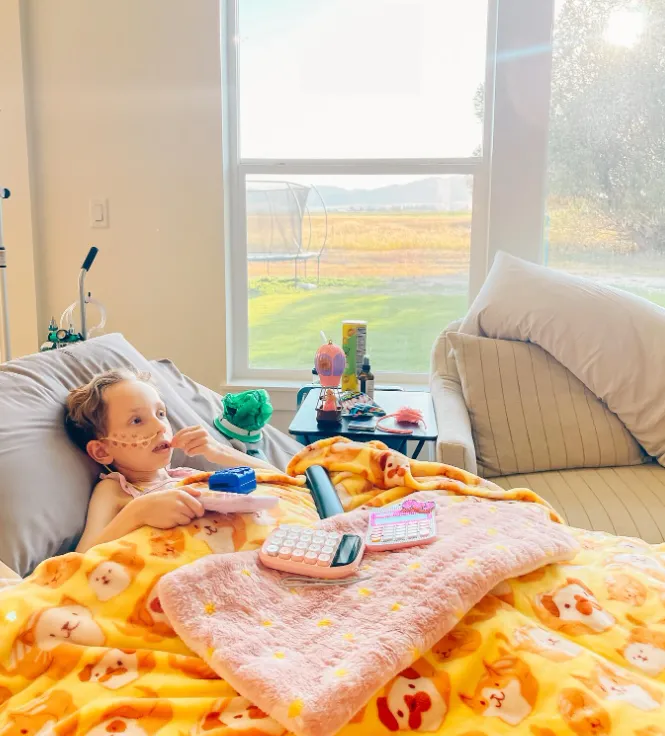
 The Girl With the Gentle Strength
Brielle is small, but her presence fills every room.
There’s a quiet strength about her — the kind that doesn’t shout or demand attention, but gently reminds you that love can survive anything.

Her hair is thinner now, her body weaker than it once was, but her spirit?
It’s fierce.
Unwavering.
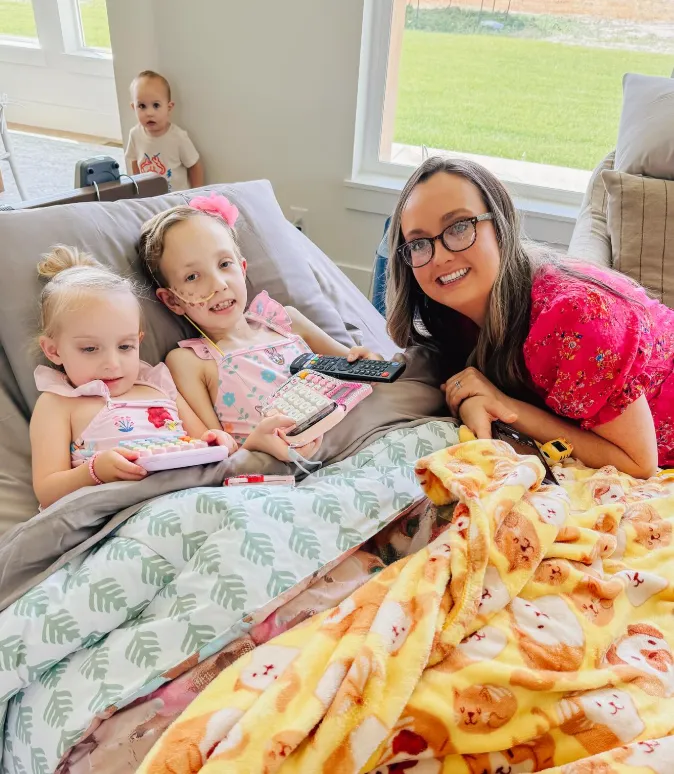
She still finds joy in little things — in sparkly stickers, in painting tiny ceramic animals, in holding her parents’ hands while watching her favorite show.
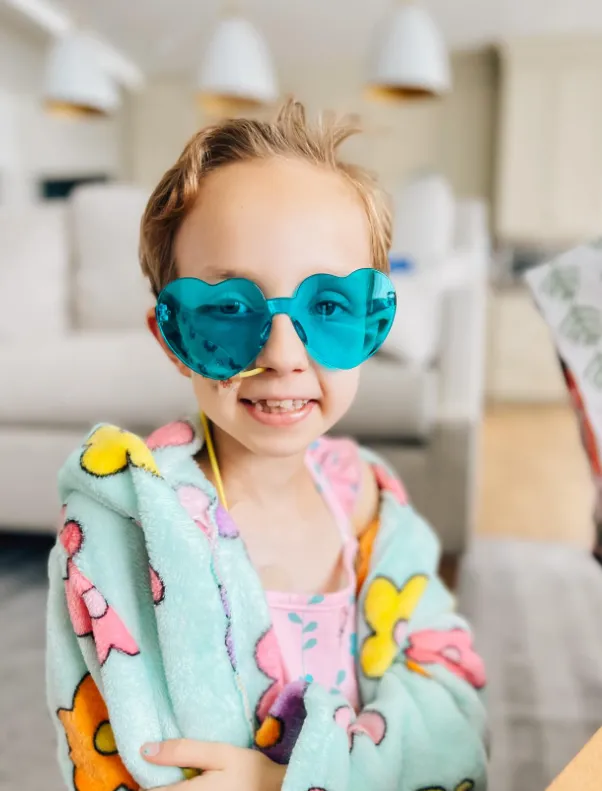
Her laughter, though softer, still sounds like sunlight.And her smile — that sweet, radiant smile — has the power to undo every ache in the human heart.

Her parents know that tomorrow isn’t promised.
But today is.
And that’s enough.
 Love in the Waiting
Most people measure progress in milestones — first steps, first days of school, first trophies.
For Brielle’s family, progress looks different.

It’s a day without pain.
It’s a steady heartbeat.
It’s a blood test that shows “stable.”
It’s another morning where they can kiss her forehead and hear her giggle about glitter or dolls or what flavor of ice cream she wants later.
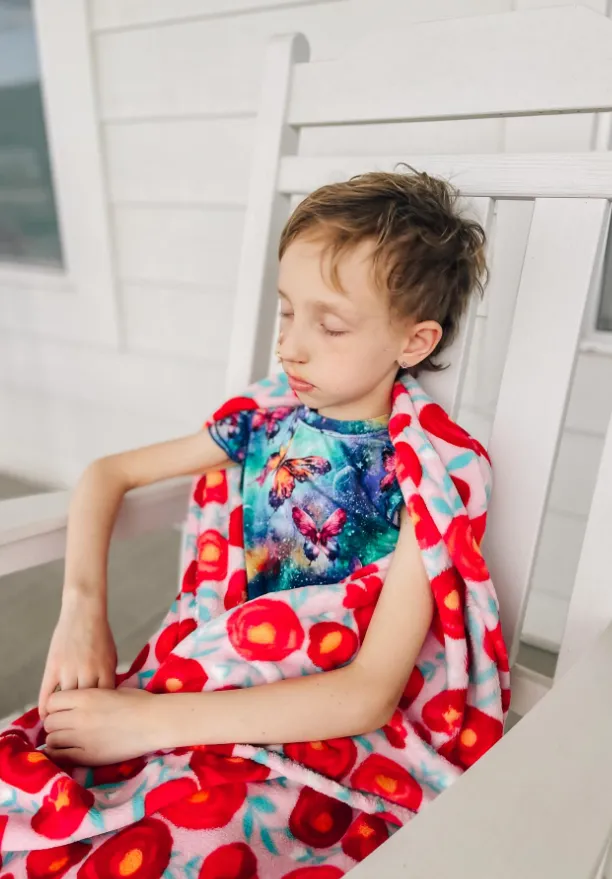
It’s learning to find life in the in-between — to hold both heartbreak and hope in the same trembling hands.
Her mother often writes updates for the people who follow their journey.
There are thousands now — strangers who have fallen in love with this brave little girl and her warrior parents.
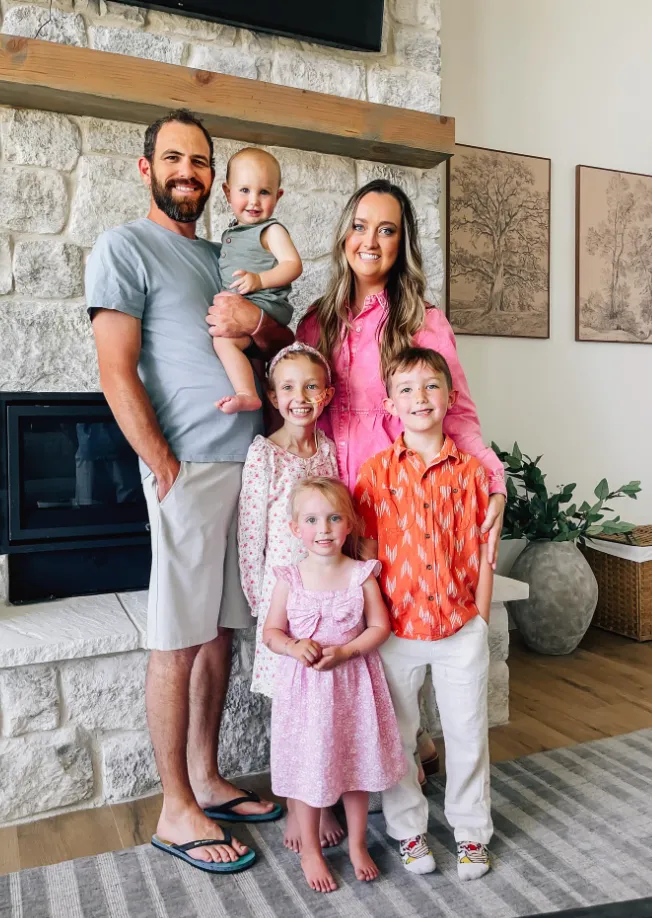
Each post carries the same message at its core: “We don’t know what tomorrow holds, but we’re grateful for today.”
And that’s how they live — one grateful breath at a time.
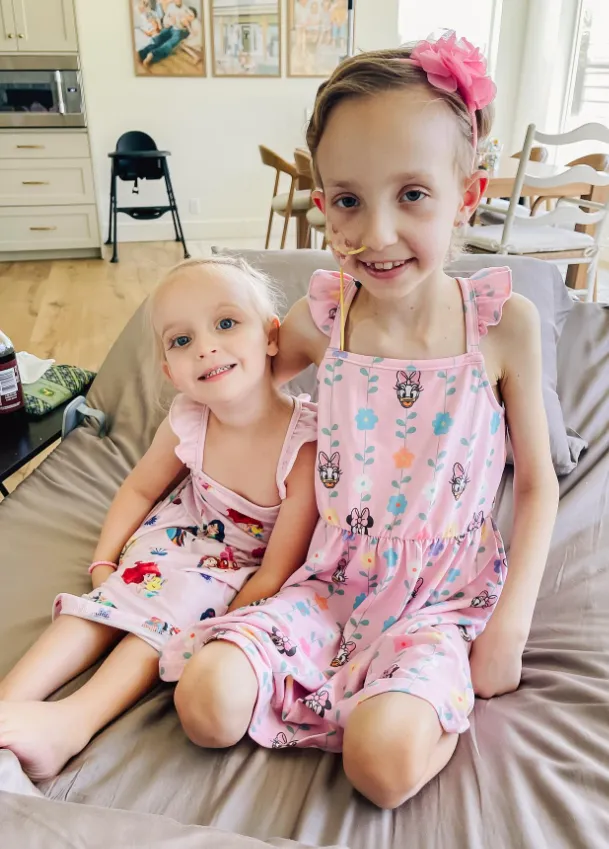
 The Miracle in the Middle
No one knows how Brielle’s story will end.
The doctors can speak in numbers, in percentages, in medical terms — but her parents speak in love.
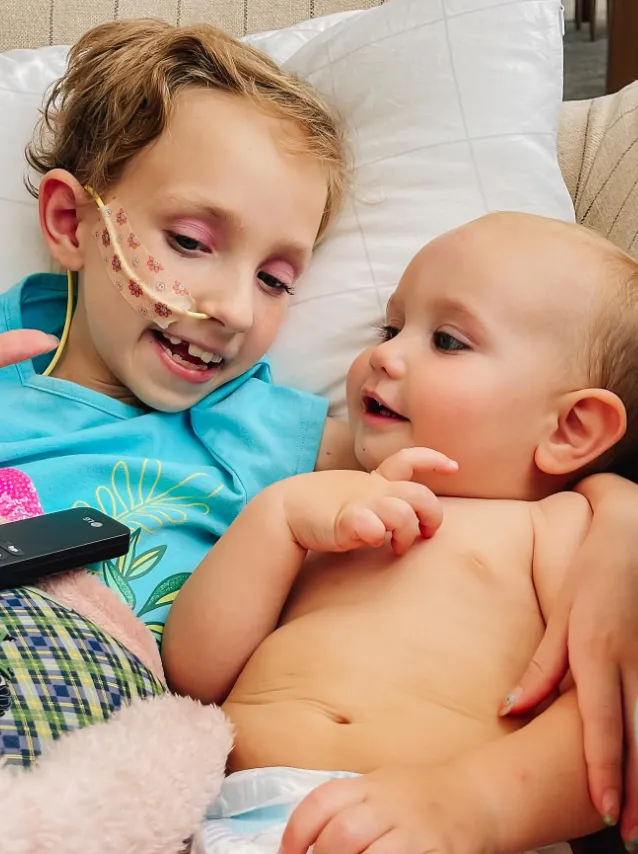
They believe that sometimes, miracles aren’t about walking again.
Sometimes, they’re about enduring.

About smiling in the face of the impossible.
About loving so deeply that even fear has to bow down.

And maybe that’s the real miracle — not the one the world measures in recovery charts, but the one that happens quietly, in the hearts of those who choose to keep hoping anyway.
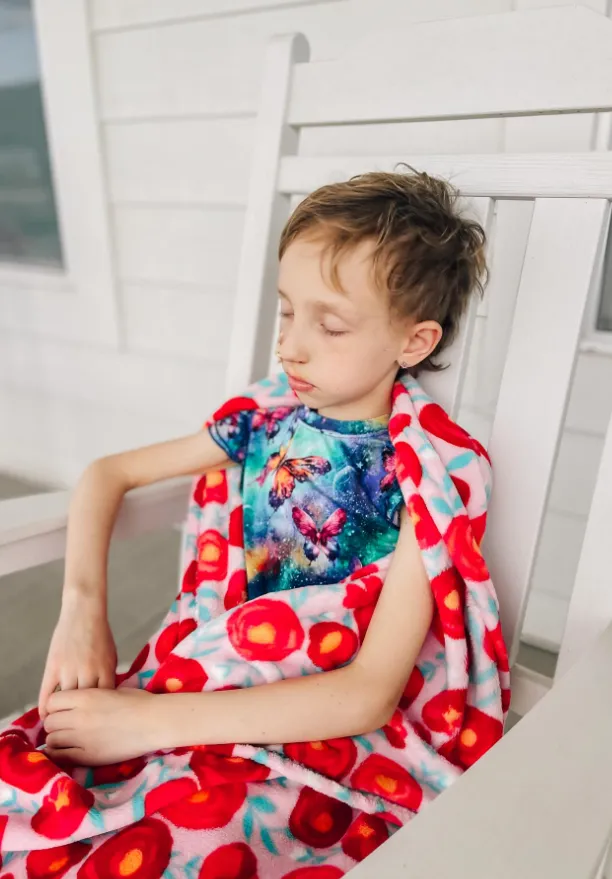
Because when you strip everything else away — the wires, the machines, the sterile walls — what remains is love.
A love that refuses to hurry.
A love that sits beside suffering and still whispers, “We believe.”

 So tonight, they’ll do what they always do.
They’ll sit by her bedside.
They’ll hold her hands.
They’ll kiss her cheeks.
They’ll talk about which MiniVerse set to open next.
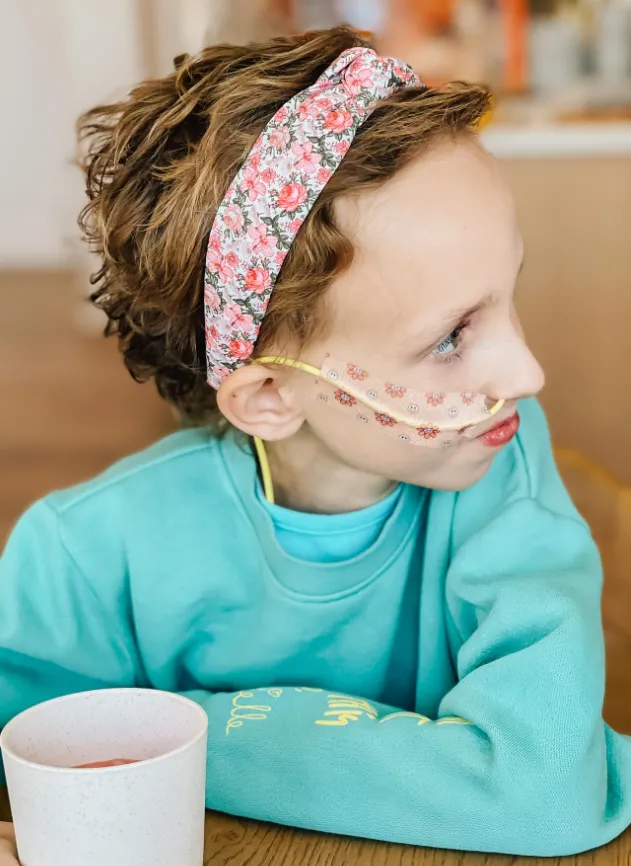
And they’ll whisper prayers into the quiet — for another sunrise, another smile, another day of hope.
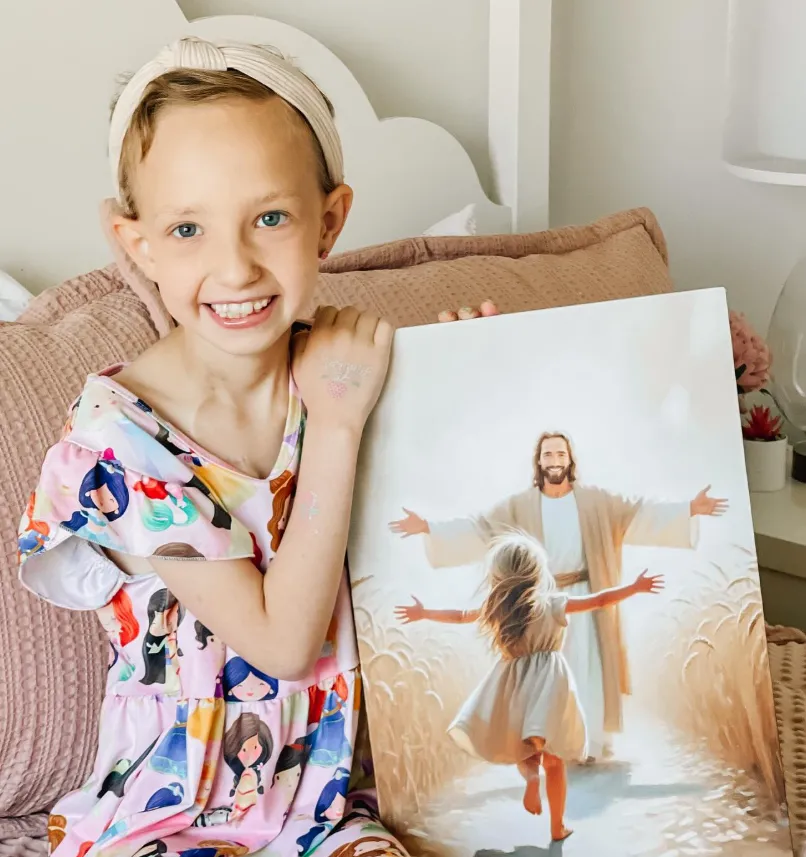
Because even when the chances are less than one percent, love makes that one percent worth everything.
Keep fighting, Brielle. The world is cheering quietly beside you.
“The Last Walk: What Drove a Father to Lead His Daughters Into the Woods?”.4650
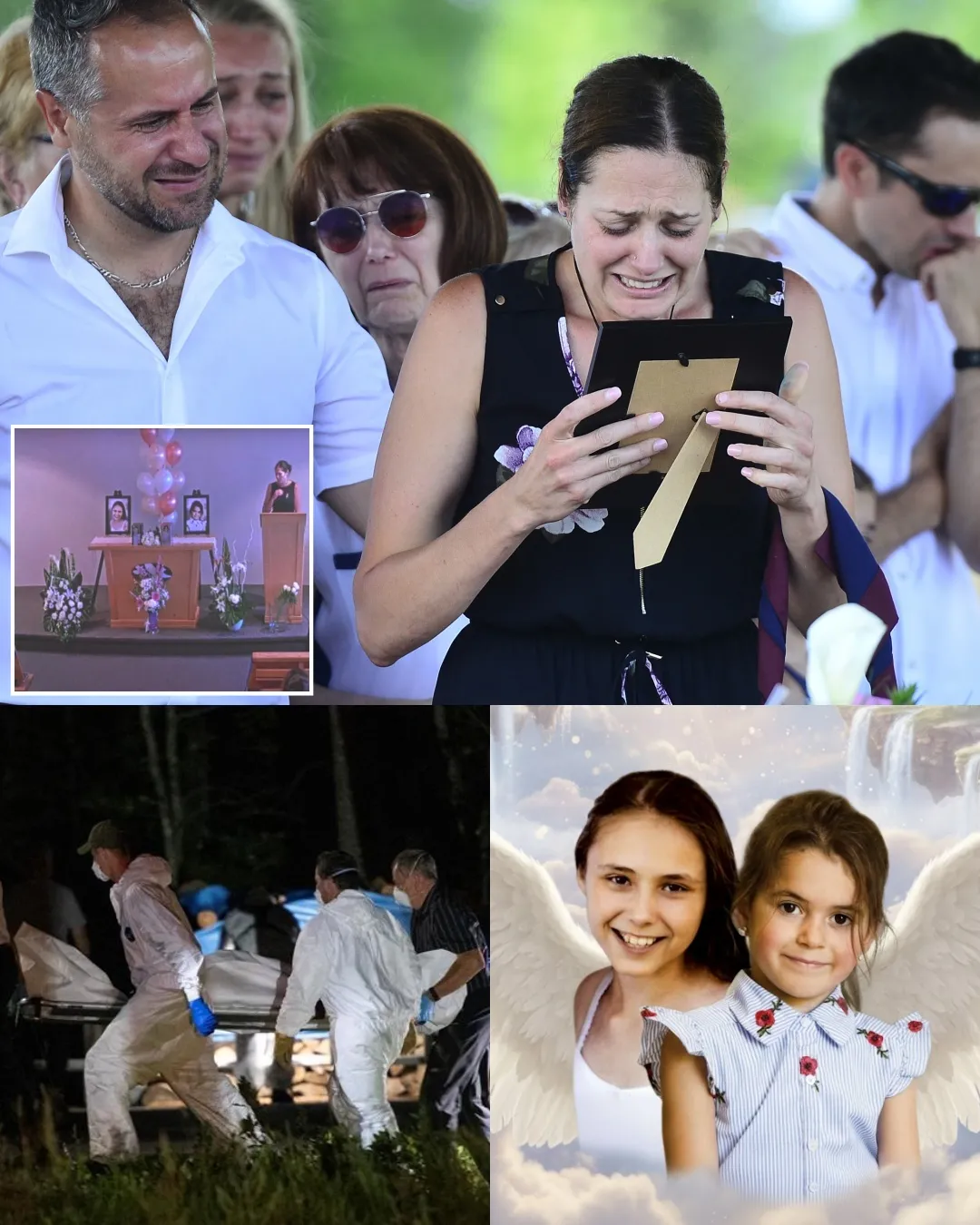
It began as an ordinary summer evening — a quick outing for ice cream, a promise to be home by 9 p.m., and a father spending what should have been a simple, carefree moment with his two daughters. Nothing about that night hinted at the terror, the confusion, and the heartbreak that would soon consume an entire nation. And yet, within a span of hours, a family’s world would unravel in a way so disturbing that even seasoned investigators struggled to comprehend it.
This is the haunting story of Norah and Romy Carpentier — two young sisters whose final hours remain among the most chilling family tragedies in recent memory. It is a story of fear disguised as love, of a father drowning beneath pressure, and of two children who trusted him completely until the very end.
And behind that story lies one pressing, painful question:
What truly happened in those woods?

A Night That Should Have Been Ordinary
On July 8th, 2020, Martin Carpentier asked to take his daughters — Norah, 11, and Romy, 6 — out alone. They had dinner as a family earlier that evening, a moment their relatives would later recall with a heaviness that words cannot fully capture. Nothing seemed unusual. Nothing felt dangerous. It was just a father and his girls leaving the house for ice cream.
He told their mother he would be back by 9 p.m.
But 9 p.m. passed.
Then midnight.
Then dawn.
And by the next morning, the sense of unease had hardened into terror.

The Crash That Wasn’t an Accident
Hours after the trio disappeared, their car was found wrecked along the highway — but the scene didn’t match the typical chaos of a sudden accident. The airbags deployed. The vehicle was damaged. Yet there were no victims at the site. No footprints indicating panic or injury. No attempts to seek help.
Instead, it appeared as though all three had walked away deliberately.
When authorities reconstructed the crash, the patterns of movement were shocking: the steering, the trajectory, the speed — all of it pointed to an intentional act.
Martin Carpentier, investigators later concluded, had tried to kill himself and his daughters that night.
But the attempt failed.
And what followed was even worse.

The Amber Alert That Shook Quebec
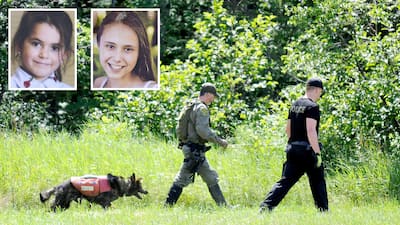
By July 9th, an Amber Alert was issued — one of the largest, most intense searches the province had ever seen. Police officers, helicopters, rescue dogs, and volunteers combed the dense forests with an urgency fueled by dread. Families across Quebec kept their children close as the story unfolded on every screen, every radio, every front page.
Three people were missing.
A father.
And two little girls with bright smiles and their entire lives ahead of them.
For days, all anyone could do was hope.
But hope would not be enough.
July 11th: The Discovery That Ended the Search
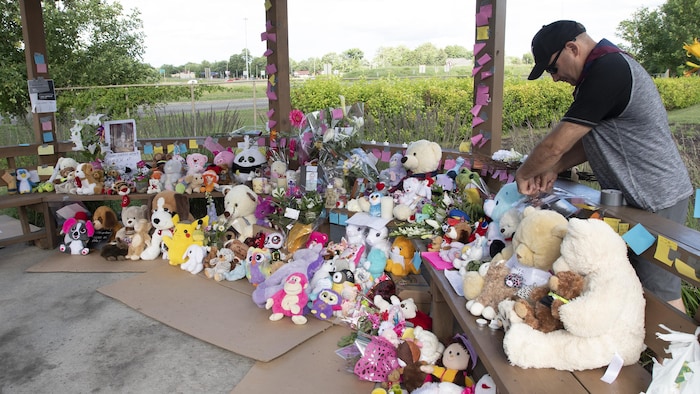
Three days after the crash, deep in the woods, the bodies of Norah and Romy were found.
Their final moments were disturbing, heartbreaking, and full of questions that may never be fully answered. According to the coroner, the girls had walked into the forest with their father — a father they trusted, a father they looked up to, a father they believed would keep them safe.
At some point during that walk, he attacked them.
Not with a weapon.
Not with a plan.
But with a branch he found in the woods.
A quiet, remote patch of forest became the final resting place of two innocent children who never should have been there in the first place.
A Trigger Years in the Making
Why did he do it?
What could possibly drive a father to such an unthinkable act?
Investigators traced the unraveling back five years — to the moment Martin and the girls’ mother separated. Though the separation was amicable, something inside him never healed. Over time, his fear of losing his daughters grew into an obsession.
On the very day he disappeared with them, his lawyer emailed him divorce documents for approval.
The coroner later stated that receiving that email was the breaking point — the trigger that pushed him past the edge of rational thought.
He spent the afternoon with his family, ate dinner as though everything were normal, then took his daughters for ice cream… knowing he would never bring them home.

Nine Days Later: The Father’s Body Is Found
After Norah and Romy were discovered, the search shifted to one final person: Martin Carpentier.
Where was he?
Was he alive?
Was he running?
It took nine more days before his body was found — alone in the forest, not far from where the girls had been discovered. The cause of death was consistent with suicide.
A broken man, an irreversible act, and a community left with more grief than answers.
The Questions That Still Haunt This Case
Even with the timeline reconstructed, even with evidence analyzed, even with a coroner’s report completed, one truth remains: there is no explanation that can make sense of what happened.
Why didn’t he seek help?
Why didn’t anyone see the signs?
Why did two young girls have to lose their lives to the weight of an adult’s despair?
Those who knew the family described the sisters as joyful, energetic, deeply loved — not just by their mother, but by their father too. And that contradiction is what makes this tragedy so incomprehensible.
How can love and destruction coexist inside one person?
How can fear twist itself into something deadly?
How can a simple evening outing end in horror?
These are the questions that linger.
These are the questions that keep this story alive.

A Tragedy Impossible to Forget
Norah and Romy Carpentier were not just names in a headline. They were two children who loved drawing, music, laughter, and the simple joys of being young. They had birthdays ahead. School years ahead. Futures ahead.
But their lives were stolen by the one person who should have protected them above all else.
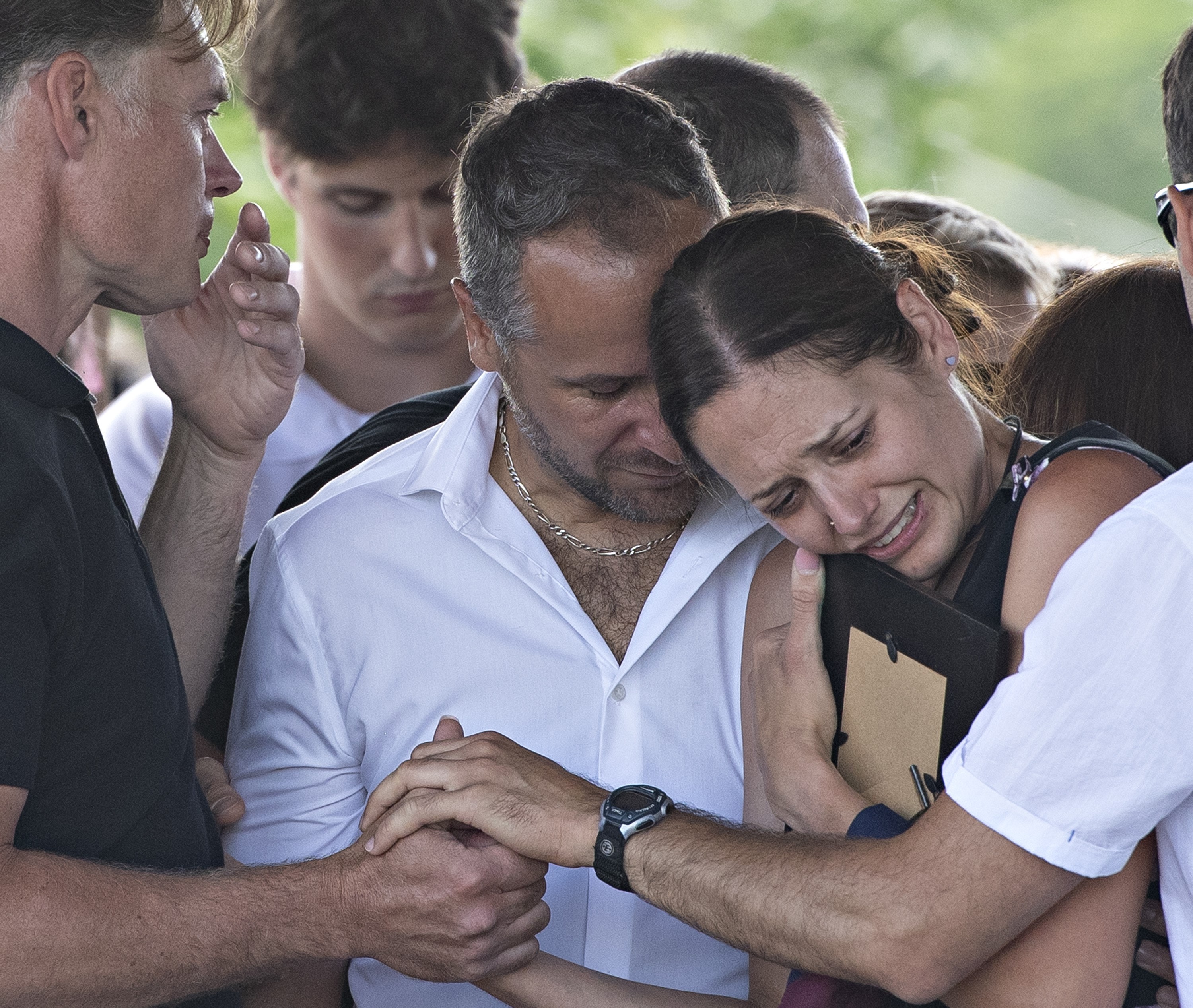
Their mother, their community, and countless strangers who followed the case continue to grieve them — two sisters whose story still echoes with sadness, disbelief, and the unbearable weight of what could have been.
The forest where they took their last steps remains quiet now.
But the questions… the heartbreak… the haunting mystery of that night…
Those remain.
Because the story of Norah and Romy is not just about what happened.
It’s about why it happened — and why the world still cannot look away.