A soft, sentimental story has rushed through football social media, claiming that a Camp Nou maintenance woman helped Lamine Yamal fix a flat tire and woke up the next morning to a mysterious white van at her door.
The woman is described as Maria Thompson, a groundskeeper who works long nights keeping the stadium clean and safe while earning a modest wage. In the rumor, her life is painted as quiet struggle and stubborn dignity.

One late evening, the tale says, she noticed a young driver pulled over near the service gate, frustrated by a blown tire. She recognized the face immediately: Barcelona prodigy Lamine Yamal, alone and stressed.
The post frames Maria’s decision as instinctive kindness rather than starstruck excitement. She offers her tools, kneels on the asphalt, and talks him through the basics, even though she is tired and off the clock.
Yamal, in this version, is humble and grateful. He apologizes for the inconvenience, listens respectfully, and insists on thanking her properly. They share a few minutes of normal conversation, far from cameras and noise.
By dawn, the rumor turns into a fairytale. A white van reportedly stops outside Maria’s small home, and a representative steps out with gifts, envelopes, or even a job promotion, rewarding her for helping a star.
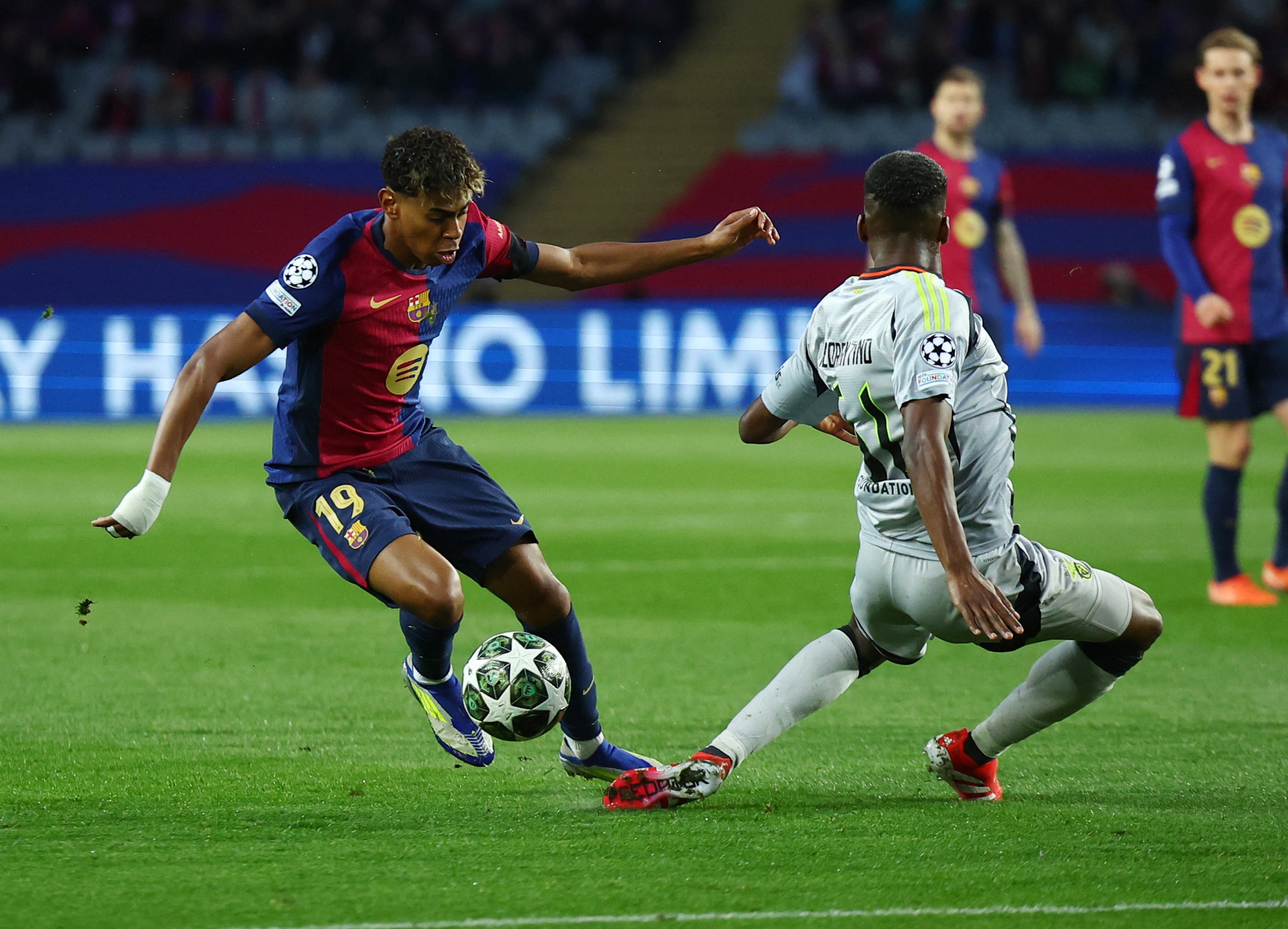
It is a powerful plot because it uses familiar ingredients: a hardworking woman, a gifted young athlete, and a sudden moment of generosity that bridges worlds. People want to believe this is how fame should behave.
But the details raise questions. The name “Maria Thompson” appears in multiple viral stories across different sports, often paired with the same white-vehicle twist, suggesting a recycled template rather than a documented event.
No reliable club statement, journalist report, or verifiable footage has confirmed that this specific encounter happened at Camp Nou. The story seems less like news and more like a modern parable built for sharing.
That does not mean it is meaningless. Even fictionalized, it reflects a hunger for decency in celebrity culture, especially around teenage stars who are usually presented as distant icons instead of ordinary people.

Yamal’s real public image already fits part of the narrative. He is widely seen as respectful, close to family, and strongly tied to his neighborhood roots, which makes fans feel the kindness described is believable.
Camp Nou itself adds symbolism. A stadium in renovation and transition, it becomes a backdrop for a story about unseen workers who keep the club running while the spotlight follows those on the pitch.
Groundskeepers, cleaners, security staff, and maintenance crews are the invisible spine of elite sport. They arrive before players, leave after fans, and hold traditions together without ever appearing in highlight reels.
The viral tale invites supporters to notice people like Maria, whether she exists or not. It asks what gratitude should look like when a club’s wealth and fame depend on the labor of thousands.

It also shows how quickly the internet confuses inspiration with verification. A story can be emotionally true, capturing values we admire, while still being factually uncertain in its names, places, and supposed evidence.
If the encounter never happened, the best takeaway is still clear: kindness is not smaller because it is quiet, and respect should flow both ways in a community built on shared pride and sacrifice.
And if something like it did happen, it deserves careful telling with real sources and real consent, not as clickbait. Either way, the deeper message is about dignity, not the van.