The San Francisco 49ers are suddenly at the center of an NFL-wide debate over where teams should draw the line when evaluating talented players facing serious legal allegations.
The controversy comes after former Detroit Lions first-round cornerback Terrion Arnold became one of the league’s most closely watched free agents following his arrest on eight felony charges. Arnold was released by Detroit shortly after his arrest, but the situation has not stopped NFL teams from showing interest in the 23-year-old defensive back. The latest developments have fueled questions about whether football organizations are willing to overlook serious allegations when they believe a player can help them win.
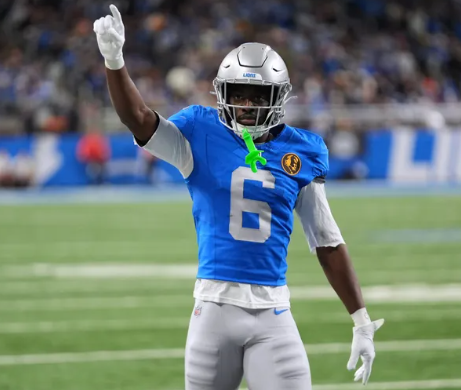
Arnold was arrested in Florida in June and faces four counts of robbery with a firearm or deadly weapon and four counts of kidnapping. According to NFL.com, the charges stem from an alleged plot involving three people whom Arnold believed had stolen more than $250,000 worth of property from him. Authorities allege that the victims were detained and beaten. Arnold has denied involvement in the allegations and maintains his innocence.
Those details alone make the situation extraordinary.
Arnold was not an anonymous player trying to earn a roster spot. Detroit selected him with the 24th overall pick in the 2024 NFL Draft, expecting him to become an important part of its secondary. Through two NFL seasons, he appeared in 24 games, including 22 starts, recording 91 tackles, 18 passes defended and one interception.
That combination of draft pedigree, youth and potential explains why NFL teams could still be interested.
But it also explains why the reaction has been so intense.
When a player is facing eight felony charges, signing him is not simply a football decision. It becomes a statement about organizational standards, risk tolerance and the responsibility teams believe they have to their players, employees and communities.
For the 49ers, that discussion carries additional historical weight.
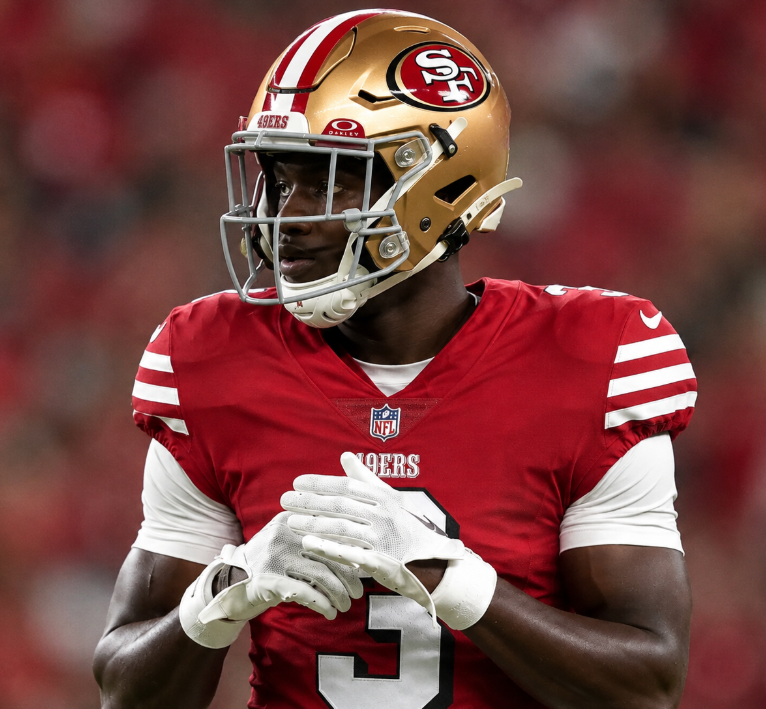
San Francisco has previously dealt with difficult decisions involving talented players facing legal trouble. Former linebacker Reuben Foster, a first-round selection by the organization in 2017, faced multiple legal issues during his time with the team. The 49ers eventually released him in 2018 after another incident.
That history makes any reported interest in another highly drafted defensive player facing major legal allegations especially sensitive.
Still, there is an important distinction that should not be ignored: Arnold has not been convicted of the charges against him. His legal case remains unresolved, and his representatives have categorically denied the allegations. That means the situation cannot responsibly be treated as though guilt has already been established.
At the same time, teams do not have to wait for a conviction before making personnel decisions.
The NFL’s personal conduct policy gives the league significant authority to discipline players based on conduct that violates league standards, and a team can also decide that the circumstances surrounding a player make him unsuitable for its organization.
That is where the 49ers would face an extremely difficult balancing act.
On one side is football.
San Francisco has invested heavily in its defense and continues to search for the right combination of young talent and experienced contributors. The team selected Washington cornerback Ephesians Prysock in the fourth round of the 2026 NFL Draft, demonstrating that adding defensive-back talent remains part of its roster-building strategy.
Arnold, however, would bring considerably more NFL experience and draft pedigree.
On the other side is everything that comes with the legal situation.
Even if Arnold is ultimately cleared, signing him while the allegations remain unresolved could create an enormous public-relations problem. Players and coaches could be asked questions about the decision repeatedly. Fans could question the organization’s judgment. Opposing teams and media outlets would inevitably keep the controversy alive.
That is the price of taking a chance on a player in this situation.
And yet, NFL teams continue to operate in a league where second chances are common.
The Seattle Seahawks reportedly agreed to sign Arnold in August, despite the eight felony charges, while other teams had also shown interest. Reuters reported that Arnold remained under home confinement with exceptions for football-related activities and legal matters, and that the NFL could place him on the commissioner’s exempt list.
That development demonstrates the complicated reality facing professional sports organizations.
A player can be accused of extremely serious conduct while simultaneously remaining legally innocent until proven guilty. Teams must evaluate both the allegations and the uncertainty surrounding them, while also determining whether the player’s talent justifies the potential consequences.
For San Francisco, the lesson is clear: talent alone cannot settle this debate.
Arnold’s football ability is undeniable enough to attract attention. But eight felony charges involving alleged kidnapping and armed robbery are far more significant than an ordinary off-field issue.
If the 49ers were to give Arnold another opportunity, the organization would need to be prepared for intense scrutiny. It would also need to make clear that the decision was based on a careful evaluation of the legal facts, league rules and its own standards—not simply the belief that a talented cornerback could help win games.
For now, the controversy illustrates one of the NFL’s most uncomfortable questions: How much should a player’s football talent matter when the allegations against him are this serious?
There is no easy answer.
Arnold deserves the presumption of innocence while his case proceeds. But NFL teams also have every right to decide that certain allegations create risks they are unwilling to accept.
That tension is precisely why any reported second chance for the former first-round pick has sparked such a strong reaction across the football world.
For the 49ers and every other interested team, the decision is no longer just about finding a cornerback.
It is about deciding what a second chance should actually mean.