For weeks, uncertainty has hovered over the Golden State Warriors like a low ceiling. Jimmy Butler’s injury removed more than a stat line from the rotation; it stripped the team of its emotional ballast, the edge that steadies games when chaos arrives. That is why the latest images of Butler—moving, working, focused—landed with such impact across the Bay Area.
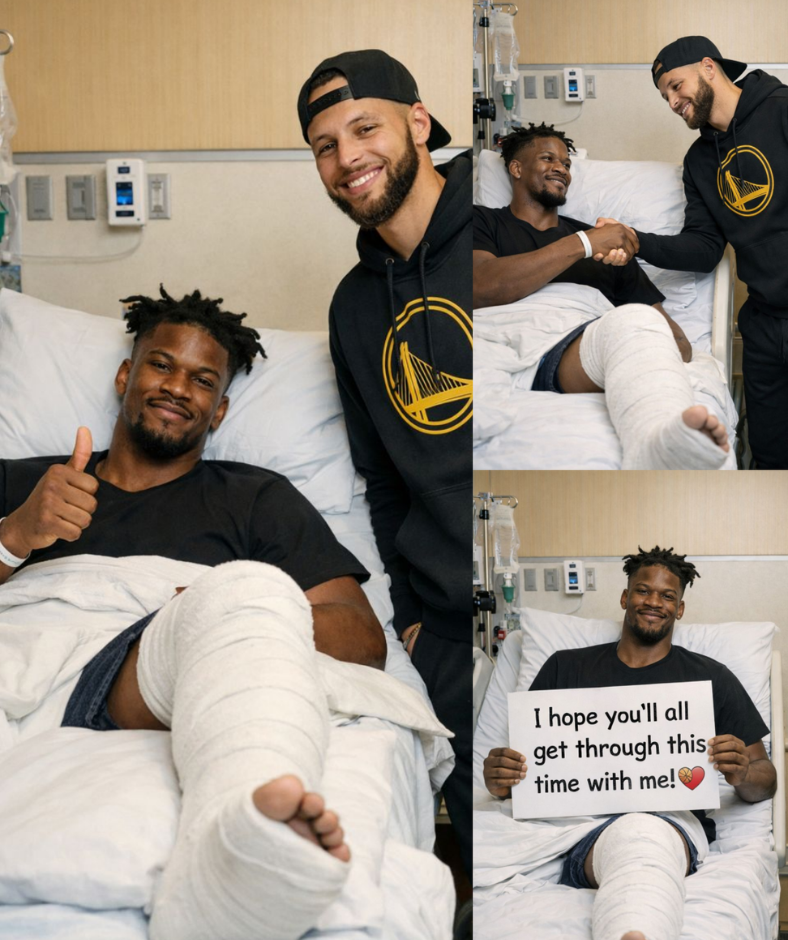
They didn’t promise a return date. They didn’t announce a miracle.
They did something more important: they made belief reasonable again.
The photos, taken during a controlled post-operative training session, show Butler progressing through movement drills under close supervision. No limping. No visible hesitation. Just the familiar intensity that has defined his career. For Warriors fans who have lived through long injury timelines and painful waits, the images felt like oxygen.
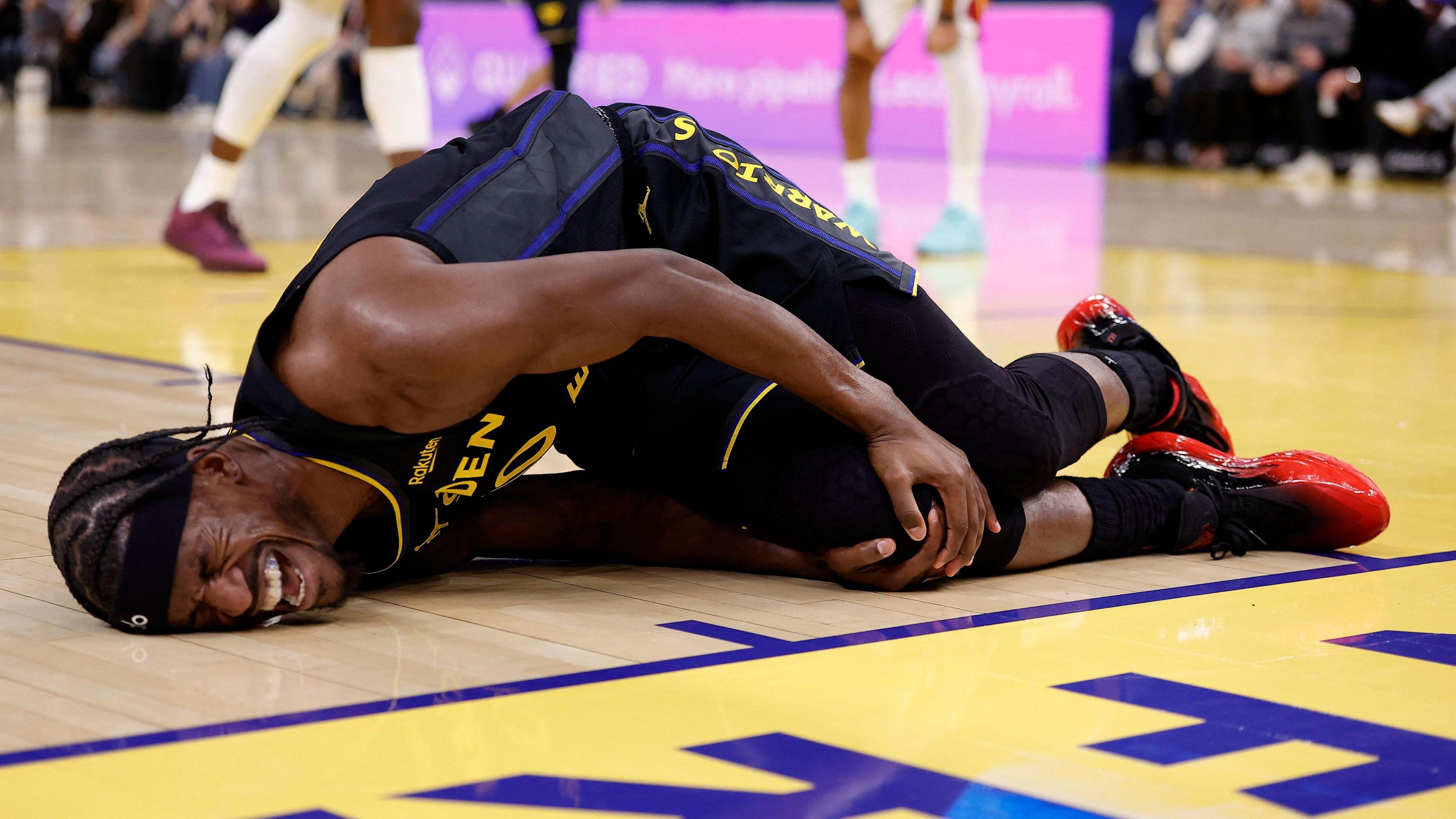
Behind the scenes, team doctors and performance staff have been careful with their language, but their confidence is noticeable. Butler’s ligament tear, while serious, has responded well to surgery and early rehabilitation. According to people familiar with the recovery process, the Warriors’ medical team designed a highly individualized post-operative plan tailored specifically to Butler’s physical profile and playing style.
That detail matters.

Doctors involved in the process believe this customized framework gives Butler a chance to recover more efficiently than many comparable ligament injuries. Not because his injury was minor, but because the plan respects who he is as a player. Every phase is designed to prepare him not just to return, but to survive NBA-level punishment again.
That distinction has shaped the organization’s patience.

Still, optimism is hard to contain.
Players around the team have noticed a change. Butler has been more active around practice facilities, more vocal during film sessions, more engaged in the daily rhythm. Even sidelined, his presence alters the room. Teammates describe his energy as “grounding,” the kind that sharpens focus rather than distracts.
“He doesn’t talk just to talk,” one team source said. “When he says something, it lands.”
That influence is exactly why his recovery carries weight beyond his own health. The Warriors have leaned heavily on internal leadership this season, navigating injuries, rotation shifts, and the constant pressure of expectations. Butler’s eventual return—whenever it comes—represents more than depth. It represents identity.
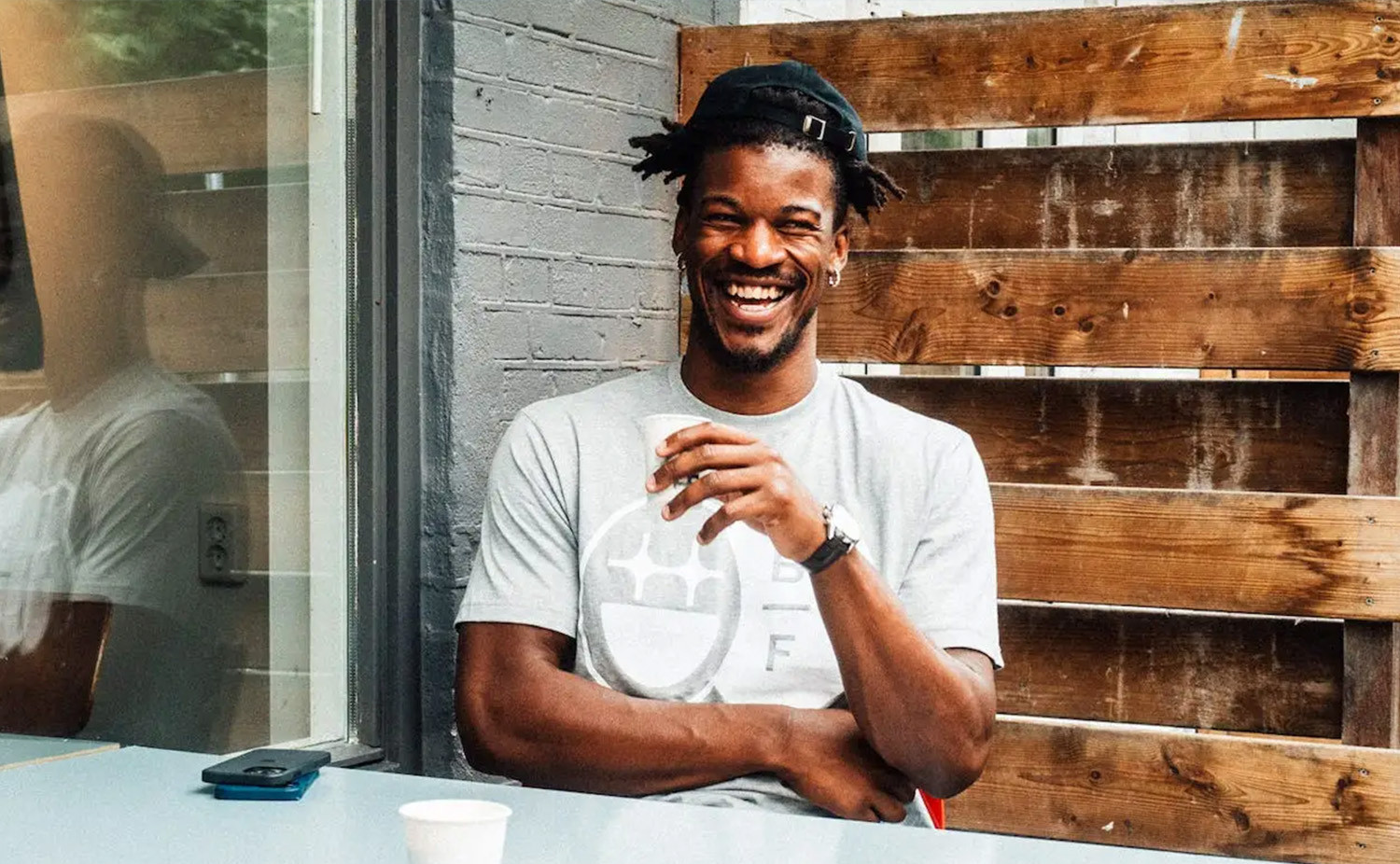
From a basketball standpoint, his impact is obvious. Butler brings two-way versatility, late-game composure, and playoff experience that few players in the league can replicate. He defends the best perimeter threats, attacks mismatches without hesitation, and thrives in moments when the margin for error disappears.
But the emotional value may be even greater.
Golden State’s championship runs were built not just on talent, but on trust—trust forged through adversity and reinforced by shared sacrifice. Butler fits naturally into that lineage. His reputation as a relentless competitor aligns with the Warriors’ culture of accountability and detail.
Strength coaches have emphasized controlled workload increases, resisting any urge to accelerate simply because progress looks good. Movement specialists have focused on symmetry and joint integrity, ensuring that compensations don’t create future problems. Every step forward has been measured, intentional, and reversible if necessary.
That discipline is why medical staff remain optimistic without being reckless.
Ligament injuries, as every team knows, are unpredictable. The final phase—returning to live NBA competition—is where uncertainty lives. The Warriors understand that no photo, no workout clip, no encouraging report can eliminate that risk entirely.
But progress changes perspective.
For fans, the images replaced fear with patience. Instead of wondering if Butler would return at all, the conversation shifted to how he might reintegrate. Instead of mourning what was lost, people began imagining what could still be gained.
That shift matters in a season defined by thin margins.
For now, Butler remains in recovery mode. No announcements. No guarantees. Just work.
And in the NBA, where careers are shaped by how players respond to adversity as much as how they perform at their peak, that may be the most encouraging sign of all.
Hope doesn’t always arrive with a buzzer-beater or a headline-grabbing quote. Sometimes, it arrives quietly—in a photo, in a controlled drill, in the steady confidence of a plan done right.
For the Warriors and their fans, that’s more than enough to believe again.