A Near-Disaster in the Twin Cities Baseball is a sport built on precision, timing, and unspoken chemistry between the pitcher and the catcher. When that synchronization shatters, the margin for error narrows to a razor’s edge. The Los Angeles Dodgers managed to scrape past the Minnesota Twins with a 4-3 victory on Wednesday, pushing their formidable record to 52-29. Yet, beneath the veneer of another successful the-show outing lies a story of absolute dysfunction, tactical friction, and the ultimate rescue mission by a generational superstar.
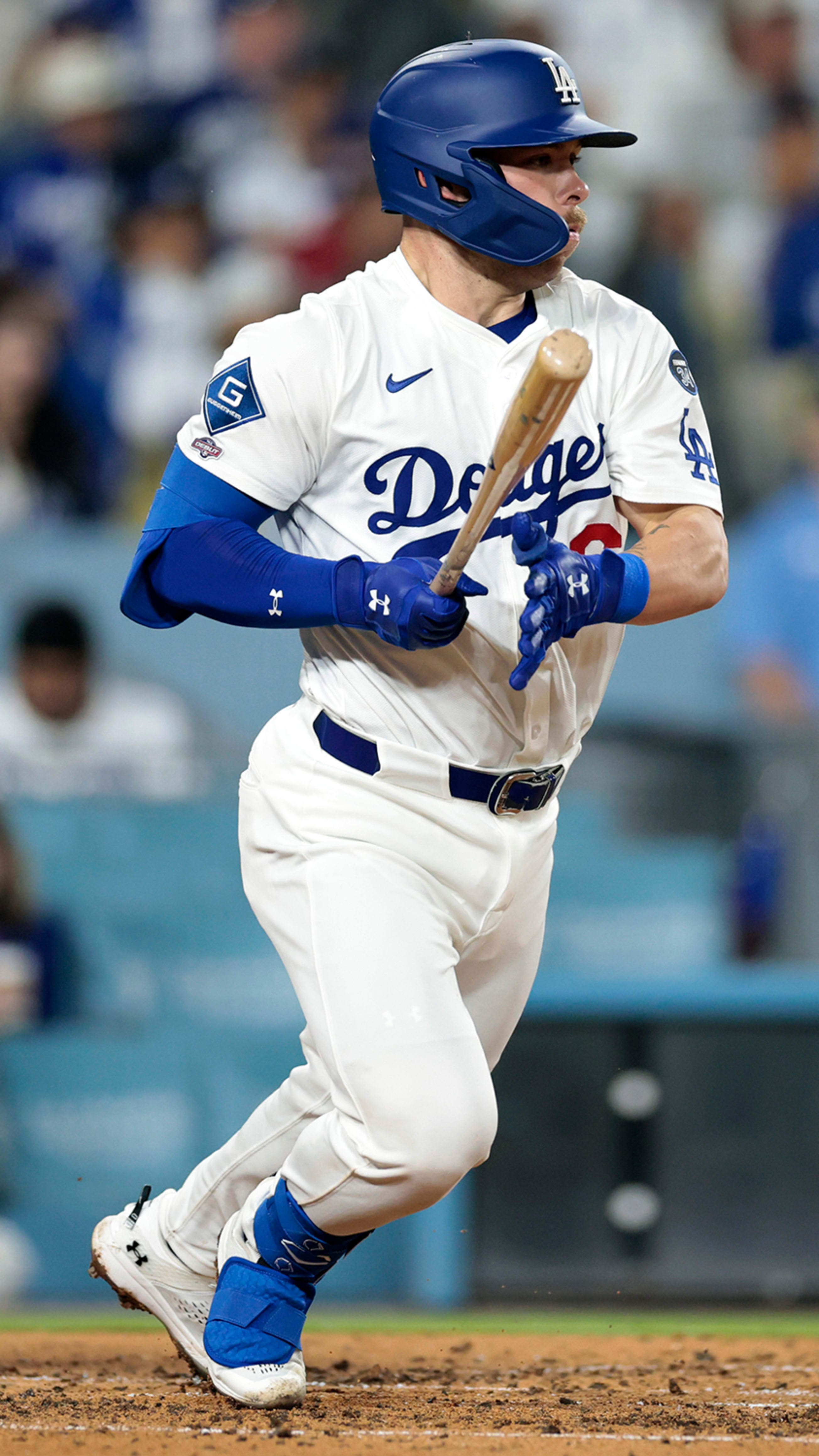
For rookie catcher Dalton Rushing, Wednesday’s matinee was a humbling, almost nightmarish experience. Thrust into the starting role while stalwart Will Smith nurses a neck injury on the injured list, Rushing found himself caught in the unforgiving spotlight of baseball’s biggest stage—and for a few innings, the lights were simply too bright.
The Second-Inning Meltdown: Anatomy of a Cross-Up The dysfunction reached its zenith in the bottom of the second frame. The Dodgers had drawn first blood in the top half of the inning when Mookie Betts launched a solo shot off Twins ace Joe Ryan. The milestone blast marked the 300th home run of Betts’ illustrious career, part of an explosive three-hit day that saw the shortstop finish just a triple shy of the cycle.
However, the momentum evaporated the moment Shohei Ohtani took the mound in the bottom half. After giving up singles to three of the first four batters, Ohtani found himself in a bases-loaded jam with Ryan Kreidler stepping up to the plate. What followed was a catastrophic failure of communication.
Two consecutive pitch calls put the battery on entirely different pages. Rushing expected an off-speed pitch, having read a subtle shift in Ohtani’s posture. Instead, the Japanese two-way sensation unleashed a searing fastball targeting the inside edge of the plate. Rushing, caught flat-footed and leaning the wrong way, could only watch as the ball clipped the end of his mitt and careened out of play. A run crossed the plate, and chaos descended upon the Dodgers dugout.
Rushing’s Brutal Self-Assessment: “It’s a Tough Pill to Swallow” Speaking to the media after the game, Rushing did not attempt to sugarcoat his performance. He owned the mistake entirely, visibly tormented by the fact that his struggles forced his superstar teammate to shift into overdrive.
“I didn’t do a great job from start to finish,” a dejected Rushing admitted via the Los Angeles Times. “Pretty embarrassing. It was an error on my side. I messed it up. It was my fault. I’m a grown man, and having to be bailed out because I let my emotions get the best of me is a tough pill to swallow. I’m going to get better.”
His vulnerability is telling. Following the second-inning disaster, Dodgers manager Dave Roberts, first baseman Freddie Freeman, and pitching coach Mark Prior could be seen huddling with the rookie in the dugout. It was an intervention of sorts—not to berate him, but to anchor an emotional player drowning in the pressure of catching a pitching unicorn while trying to fill the shoes of an All-Star.

Ohtani Takes the Reins: Leadership by Example When words fail, action speaks louder. Recognizing that he and Rushing were completely out of sync, Ohtani abandoned the traditional communication methods. He didn’t bother trying to recalibrate through verbal signs or mound conferences; he simply took absolute charge.
“There’s really a couple ways of communicating,” Ohtani said through interpreter Will Ireton. “One is by words, but the other way is by example, and just taking the charge and showing Rush what kind of pitching style I’m capable of.”
Ohtani supplied his own run support in the third inning, ripping an RBI single up the middle to ignite a three-run rally that ultimately won the game—a rally further fueled by Max Muncy driving in Ohtani and Alex Call contributing a sacrifice fly.
More impressively, Ohtani effectively took over pitch-calling duties from the third inning onward. Displaying his unrivaled baseball IQ, he even successfully challenged a borderline ABS sweeper call in the second inning, tapping the top of his hat before Rushing could signal to the dugout. Statcast later proved Ohtani was right by a microscopic 0.3 inches. Under his strict, unflinching game plan, Ohtani sailed through the sixth inning without allowing another run.

The Bigger Picture: Navigating Life Without Will Smith This narrow victory highlights a glaring vulnerability for Los Angeles. Roberts confirmed that Will Smith’s return remains up in the air as the team embarks on a grueling three-city road trip. Dalton Rushing is the designated heir apparent, and the organization has publicly backed him—Roberts reiterated post-game that “Dalton’s our starting catcher” in Smith’s absence.
Yet, the Dodgers cannot afford many more games where Ohtani is forced to hit, pitch, run the bases, and call his own game to secure a win. The rookie must quickly learn to manage his emotions and adapt to the rapid demands of the major leagues. Wednesday was an embarrassing blip, but it also served as a masterclass for Rushing, courtesy of Shohei Ohtani. If the youngster can absorb the lessons of Ohtani’s poise, the Dodgers’ championship machine will keep rolling smoothly toward October.