Cristiano Ronaldo’s choice to avoid tattoos isn’t just a personal preference — it’s a decision that benefits both others and himself.
Both Ronaldo and his son’s bodies are all muscle, with not a single tattoo in sight.
Today, in the world of football, heavily tattooed players have become the norm. Just catch a glimpse of players swapping shirts after a match, and you’ll see “living artworks” inked across their skin.
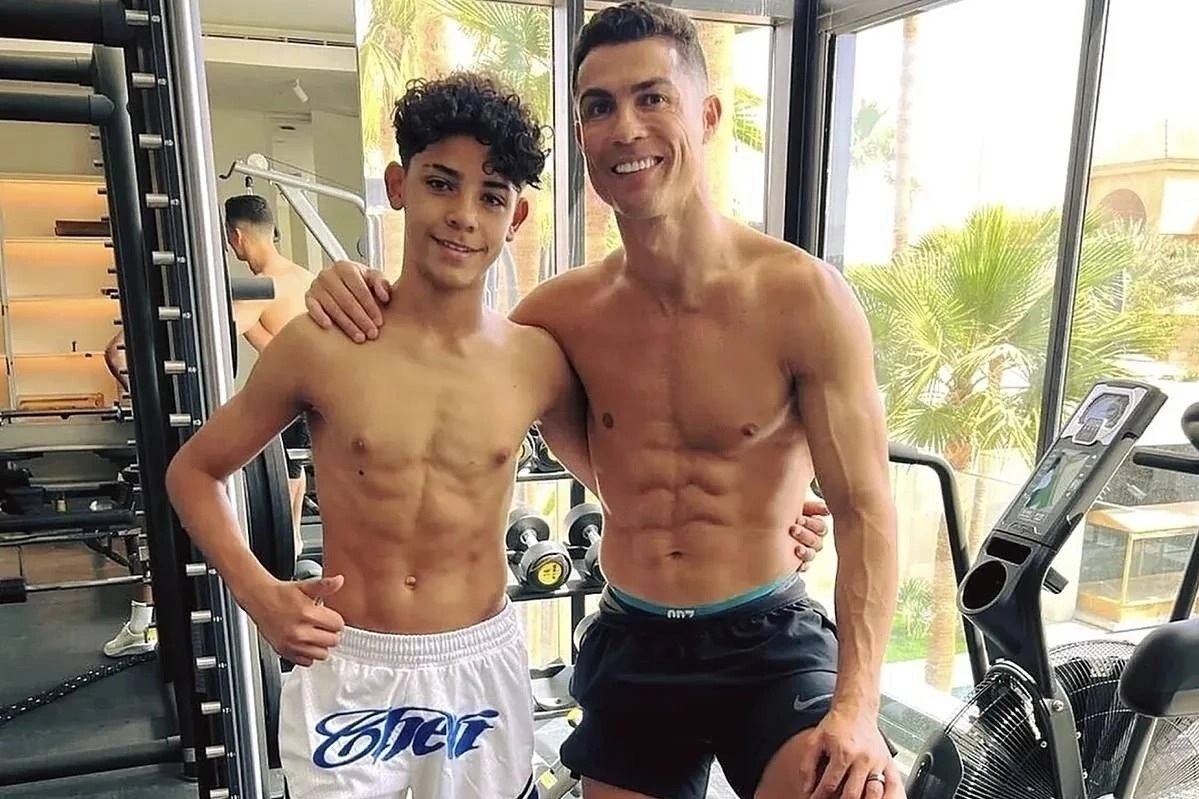
Ronaldo Says No to Tattoos
Across pitches from Europe to the Americas and even in Asia, tattoos have become a “signature ID” for footballers to express individuality. From global superstars like Lionel Messi, Neymar, Sergio Ramos, and Zlatan Ibrahimović to local-level players, many proudly display their tattoo collections.
For footballers, tattoos aren’t just fashion — they’re personal declarations. Each design tells a story: a personal milestone, a tribute to loved ones, a life motto, or a lucky charm.
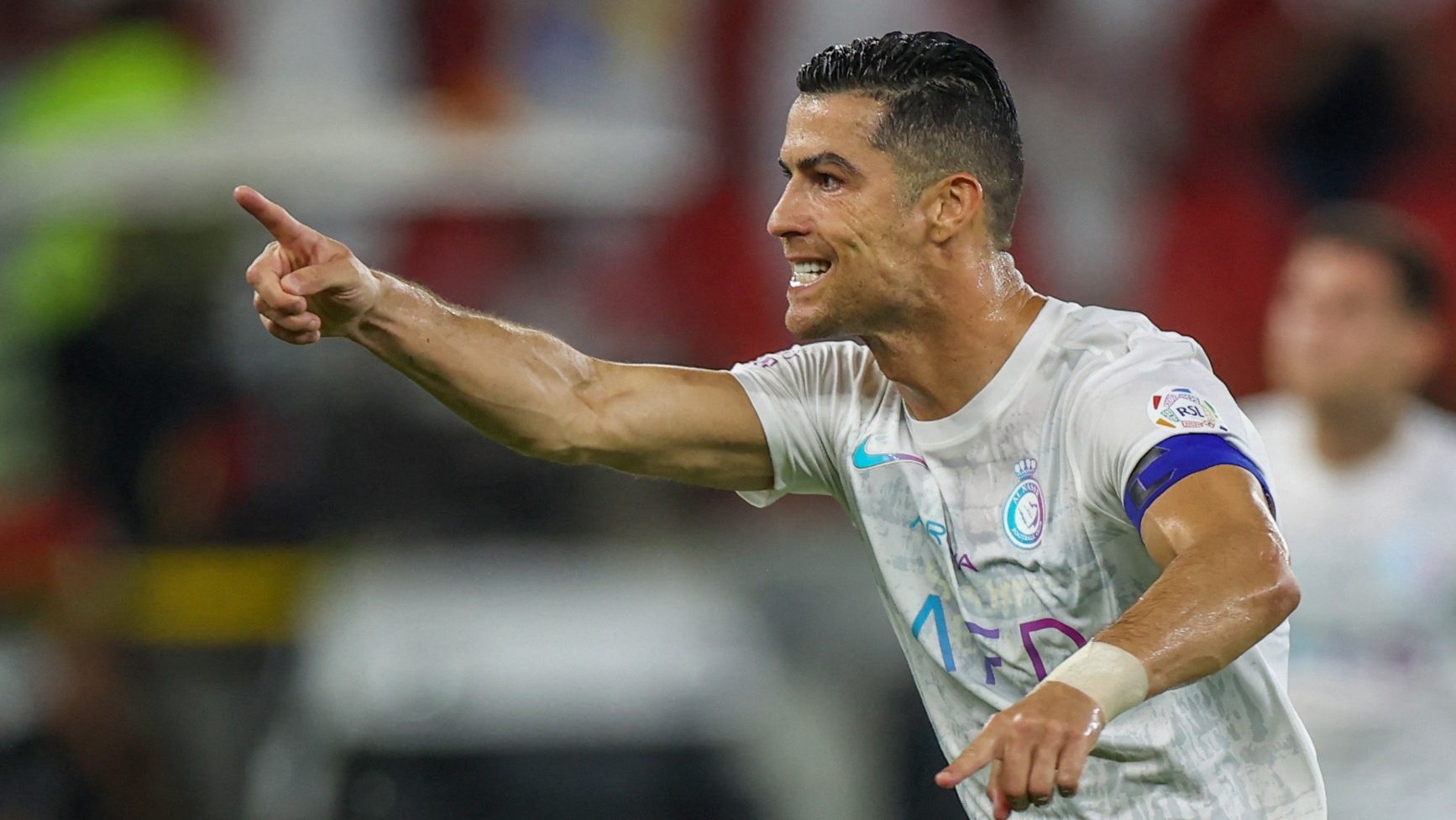
Ronaldo, however, chose a different path. When CR7 takes off his shirt to celebrate or swap jerseys, fans see nothing but a perfectly sculpted physique.
No tattoos, no ink — making him one of the rare exceptions among superstar footballers. And his reason is far more inspiring than any tattoo story from Messi or David Beckham.
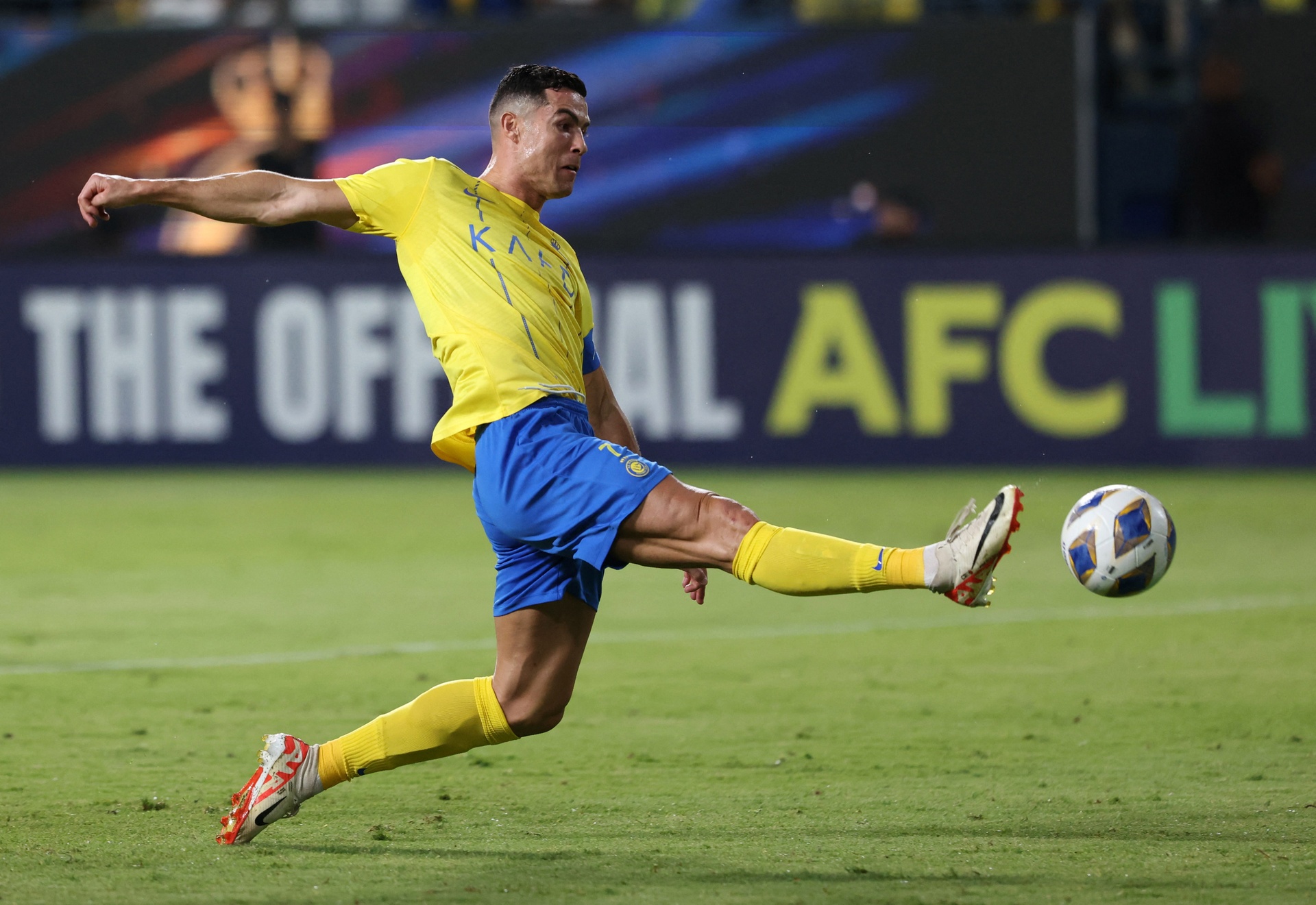
At 40 years old, Ronaldo is still going strong. Known for his attention to style, self-care, and self-expression, many wondered why he never got inked. In 2018, CR7 revealed the reason:
“I donate blood frequently, so I don’t get tattoos,” he said — adding that he donates whenever someone is in need, especially children.
This wasn’t just a PR move. Ronaldo has regularly participated in blood donation programs and encouraged fans to do the same. No grand marketing campaign — just consistent, quiet action over many years.
From a medical perspective, his choice makes perfect sense. After getting a tattoo, blood donors must usually wait 6–12 months to avoid the risk of transmitting blood-borne diseases. Even a small tattoo could interrupt his mission to help others. Beyond blood donation, Ronaldo has also registered as a bone marrow donor.
Helping Others, Helping Himself
Ronaldo’s donations not only save lives — they benefit his own health. Regular blood donation stimulates the production of new red blood cells, improving oxygen transport and endurance — crucial for an athlete’s stamina.
It also helps reduce excess iron in the blood, protecting cardiovascular health, lowering the risk of atherosclerosis, and improving circulation. Better blood flow means faster recovery after intense matches.
There’s also a psychological boost: blood donation releases endorphins and oxytocin — “happiness hormones” — that reduce stress and improve sleep quality.
Even now, Ronaldo maintains the sprint speed, vertical leap, shooting power, and pressing intensity of a player in his twenties. Just last week, on August 7, he scored a hat-trick for Al Nassr in a 4–0 friendly win over Rio Ave in his native Portugal. While the goals don’t count toward official records, they prove he’s still in top form at 40 — with hopes of playing long enough to become the first player to score 1,000 career goals.
Why is Ronaldo still running at full throttle while most of his peers have retired? Experts often point to three pillars: strict discipline, sports science, and fighting spirit. But rarely is “staying tattoo-free to donate blood” mentioned as part of the bigger picture.
Scientifically, regular blood donation keeps Ronaldo’s red blood cell count at an optimal level, enhances oxygen exchange, and reduces muscle fatigue. In grueling matches that stretch beyond 90 minutes, that could be the edge that lets him explode just as others are running out of steam.